
Best time to visit Chefchaouen (2026): weather, crowds, prices, and the most photogenic months
Best time to visit Chefchaouen depends on what you want most: comfortable temperatures for wandering the blue alleys, bright light for photography, or quiet streets and lower prices. Because Chefchaouen sits in the Rif Mountains, its seasons feel noticeably different from coastal Tangier or hot inland cities, so timing can genuinely change your experience.
However, there is good news: Chefchaouen is rewarding year-round if you plan strategically. In this guide, you’ll get a clear seasonal breakdown (with temperatures, crowd levels, and what to do), plus practical planning advice and itinerary ideas for pairing the Blue City with Where to Go in Morocco next—whether that’s Fes, the Sahara, or Marrakech.
The best time to visit Chefchaouen at a glance (quick seasonal summary)
If you want the simplest answer, spring is generally the sweet spot. From March to May, Chefchaouen enjoys mild, sunny days (often around 18–25°C), the surrounding hills turn green, and seasonal waterfalls can look their best, which is why it’s also peak season for hiking around the Rif.
Autumn is a very close second. From September to November, temperatures stay comfortable, the light often turns warmer and more golden, and the medina can look especially photogenic. By contrast, July and August are typically the hottest and busiest (highs can reach around 32°C, with crowded lanes in August), while December to February brings colder nights and more rain—yet also some of the year’s lowest accommodation prices.
Why Chefchaouen’s seasons feel different from other Moroccan cities
Chefchaouen’s location is the reason timing matters here more than many travelers expect. While cities like Casablanca often have a milder Atlantic influence, Chefchaouen’s mountain setting creates cooler evenings, sharper temperature swings, and occasional wet spells that can paint the streets with reflective shine—beautiful for photos, but not always ideal for long walks.
Moreover, the Rif Mountains shape not only the weather but also the activities. When conditions are right, the region becomes a hotspot for nature walks and day trips, and that changes the “feel” of the medina too: in peak outdoor season you’ll see more hikers and photographers, whereas in winter you’ll notice a calmer, slower rhythm that can feel more local and intimate.
Spring in Chefchaouen (March–May): the best overall choice for most travelers
Spring is often the best time to visit Chefchaouen if you want an easy, balanced trip. Days are typically mild and sunny, which makes it comfortable to explore uphill lanes, climb to viewpoints, and sit on café terraces without the heavy summer heat slowing you down.
In addition, spring landscapes around Chefchaouen are at their greenest, and seasonal water flow can make nearby nature areas feel more dramatic. Consequently, if you enjoy walking in the Rif Mountains, spring offers the best blend of pleasant temperatures, lively energy, and excellent visibility for day trips.
What spring looks like in the medina (crowds, prices, and atmosphere)
Because spring is popular, you should expect a noticeable increase in visitors—especially around weekends and holidays. Even so, it rarely feels as jammed as high-summer, and mornings can still be quiet enough for relaxed photos if you start early and avoid the busiest squares at peak hours.
Prices also tend to rise in spring, particularly for well-rated riads and rooms with terraces. Therefore, if you’re traveling as part of Morocco Small Group Tours or planning Authentic Morocco Travel Experiences independently, booking accommodation a little earlier can help you lock in better value while still getting the location and comfort you want.
Autumn in Chefchaouen (September–November): the most photogenic runner-up
Autumn is widely considered the second-best time to visit Chefchaouen, and for photographers it sometimes competes with spring for the top spot. Temperatures are usually comfortable again after summer, and the light often looks warmer and softer, which can make the blue walls, doorways, and textured streets appear especially rich in photos.
Additionally, autumn can feel more relaxed than late spring because the peak summer holiday season has ended. As a result, you can often enjoy a “best of both worlds” experience: pleasant walking weather, fewer crowds than August, and enough activity in town to keep cafés and small shops feeling lively.
Autumn crowds and booking strategy (how to avoid the busiest days)
Although autumn is calmer than summer, it still attracts plenty of travelers, especially in September and October. If you want quieter streets, consider mid-week stays and start your photo walks early, because the medina becomes busier later in the day when day-trippers arrive from nearby cities.
Moreover, autumn is a prime season for combining Chefchaouen with northern routes. For example, if you’re choosing between independent travel and Small Group Morocco Tours, autumn departures often feel smoother because road conditions are reliable and temperatures across Morocco are generally comfortable, which makes multi-stop itineraries easier to enjoy.
Summer in Chefchaouen (June–August): hottest, busiest, and still doable with the right plan
Summer is the toughest season for many visitors, mainly because of heat and crowding. July and August can bring highs around 32°C, and the narrow lanes of the medina can feel packed—especially in August when Moroccan families often take holidays and domestic tourism peaks.
Still, summer trips can work well if you adjust expectations. If you schedule your walking time for early morning and late afternoon, take midday breaks, and choose accommodation with good airflow or air-conditioning, you can enjoy Chefchaouen’s charm without feeling overwhelmed by the warmest hours.
Summer pros (long days) and cons (crowds) for photos and sightseeing
One summer advantage is long daylight, which gives you more time to explore at a slower pace. Furthermore, restaurants and cafés tend to be in full swing, so the town feels energetic, and it’s easier to find services, tours, and transport options at short notice.
On the other hand, the busiest streets can make photography more challenging, especially if you prefer clean compositions without many people. Therefore, in summer it helps to plan “photo windows,” pick quieter alleyways away from the main squares, and treat popular viewpoints as sunrise or early-morning experiences rather than midday stops.
Winter in Chefchaouen (December–February): cheapest stays, colder nights, and more rain
Winter is the least popular season, which can be exactly why some travelers love it. Night temperatures can drop noticeably, and rain is more frequent than in other months, but the trade-off is that the medina becomes calmer and hotel prices often fall to some of the lowest levels of the year.
Additionally, winter can create a cozy atmosphere: warm tajines, mint tea, and slower days feel perfectly matched to the town’s pace. If you prefer quieter travel and don’t mind packing layers, winter can be a smart time to visit Chefchaouen—especially if you want to stretch your budget across a longer Morocco route.
Winter reality check: what rain changes (and what it doesn’t)
Rain can affect comfort and photography, but it does not “ruin” Chefchaouen if you plan well. Some streets become slippery, and cloudy skies can reduce the bright “pop” of the blue walls, so supportive shoes and a flexible schedule make a big difference.
However, winter has a unique visual charm: wet cobblestones can reflect color, fog can add mood, and the town can feel more authentic and less staged. Consequently, if your priority is quiet exploration rather than constant sunshine, winter can deliver an experience that feels personal and unhurried.
Month-to-month guidance: the simplest way to choose your dates
If you want the most reliable comfort, aim for April, May, late September, or October. These windows typically offer stable weather, pleasant daytime temperatures, and a great balance between lively cafés and manageable crowds, which makes them ideal for first-time visitors.
Conversely, if you’re price-sensitive, you’ll often find better accommodation deals in January and February, provided you accept colder evenings and the possibility of rain. Therefore, the best time to visit Chefchaouen ultimately depends on whether you prioritize ideal weather, fewer people, or lower costs—and this guide is designed to help you choose confidently.
Best time for Chefchaouen photography: light, color, and timing
Chefchaouen’s blue tones can look different hour by hour. In strong midday sun, the blues can appear brighter but also harsher, while early morning and late afternoon often produce softer contrast and warmer highlights that make the medina feel more three-dimensional and cinematic.
Moreover, season affects the quality of light. Autumn’s “golden” feel is a major reason it’s so popular, while spring offers clear visibility and fresh color around town. Consequently, if photography is your main goal, plan not only your month but also your daily schedule, because timing within the day can be just as important as timing within the year.
Best time of day to explore the blue streets (without crowds)
Regardless of season, the quietest time in Chefchaouen is usually early morning. Shops open later, many day-trippers haven’t arrived yet, and you can enjoy the soundscape of the medina—footsteps, distant calls, and small morning routines—without constant traffic in the lanes.
In addition, late afternoon can be excellent, especially in warmer months when the heat drops and people come out for promenades and café time. Therefore, if you want both calm photos and a lively social atmosphere, split your walking: do photography early, rest midday, then return for sunset vibes and dinner.
Best time for hiking and nature around Chefchaouen (Rif Mountains & Akchour)
Many travelers connect Chefchaouen with nature walks, and that’s where spring stands out. Trails around the Rif can be at their greenest, temperatures are comfortable for long walks, and seasonal water flow often makes rivers and waterfalls more impressive than later in the year.
Autumn is also a strong choice for hiking, especially if you prefer drier trails and warm-but-not-hot conditions. In contrast, summer hikes can feel intense in midday heat, and winter hikes can become less predictable due to rain or chilly winds. Consequently, if hiking is a priority, spring or autumn is usually the smartest bet.
Best time for a calmer, more local-feeling Chefchaouen
If you want Chefchaouen to feel less like a “photo stop” and more like a lived-in mountain town, consider visiting in late autumn or winter. With fewer visitors, you’ll often notice more of the everyday details: market rhythms, neighborhood conversations, and slower café culture.
Additionally, shoulder months can deliver a pleasant middle ground. For example, early March or late November can still be comfortable enough for walking while offering lower crowd levels than peak periods. Therefore, choosing quieter timing is one of the easiest ways to create more Authentic Morocco Travel Experiences without changing your route at all.
Best time for budget travelers (lowest prices and best value)
If cost matters most, winter months are typically the best value, particularly outside holiday periods. Many riads lower their rates, and you may find better deals on private rooms and longer stays—useful if you’re building a more flexible itinerary rather than a fixed schedule.
Likewise, shoulder season can be a strong value play. You might pay slightly more than winter but gain better weather, which can improve your overall experience. Consequently, budget planning isn’t only about choosing the cheapest month; it’s also about choosing the month where your comfort and costs align best for your travel style.
Best time to visit Chefchaouen with kids (comfort, naps, and pacing)
For families, spring and autumn usually make the most sense because the temperatures support slower pacing. Children often handle the medina’s slopes better when it’s not extremely hot, and parents can plan comfortable breaks without needing to hide from midday heat.
In addition, family-friendly planning often benefits from structure and flexibility at the same time. That’s why many travelers choose Morocco Family Tours or similar guided planning approaches, because they can smooth out logistics while still leaving space for rest. Therefore, if you’re building a longer family route—such as a 3 weeks in Morocco itinerary—Chefchaouen fits best when you schedule it during mild-weather stretches.
What to pack for Chefchaouen by season (simple planning)
Packing for Chefchaouen is mostly about layers and footwear. Even when daytime temperatures are pleasant, evenings can cool down quickly in the mountains, so a light jacket or warmer top is useful in spring and autumn, and essential in winter.
Moreover, the medina’s streets can be uneven and slippery after rain, so comfortable shoes with grip are a better choice than smooth soles. Therefore, packing smartly helps you enjoy longer walks and viewpoint climbs, which is especially important if Chefchaouen is only one part of a bigger itinerary with multiple cities and travel days.
How many days do you need in Chefchaouen?
One full day can cover the essentials: a relaxed medina walk, a few photo lanes, a viewpoint, and a good meal. If time is limited, a day trip can still be worthwhile, especially when it’s well-organized and timed to avoid the busiest hours.
However, two nights is often the ideal rhythm because it gives you two mornings—usually the quietest and best moments for photos. Consequently, staying longer reduces pressure, improves the quality of your experience, and makes it easier to add a nature outing or a slow café day without feeling like you’re constantly rushing.
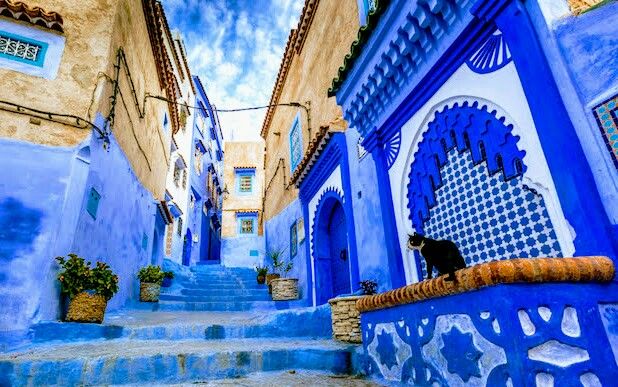
tours from Chefchaouen
How to combine Chefchaouen with northern routes (Tangier and beyond)
Chefchaouen pairs naturally with Tangier because of proximity and the way the landscapes transition from coast to mountains. Many travelers use the Blue City as a scenic break between the coast and inland cultural centers, which is why Desert Tours from Tangier often include Chefchaouen as a highlight before heading deeper into Morocco.
Additionally, Chefchaouen can work well as a first stop after arriving in the north, giving you a gentle start before busier cities. Therefore, if you’re planning multi-stop travel and you want both charm and convenience, Chefchaouen is one of the easiest northern additions you can make.
How to combine Chefchaouen with Fes and the Sahara (efficient planning)
Chefchaouen and Fes complement each other perfectly: Chefchaouen offers calm mountain beauty, while Fes offers deep history, craft culture, and one of the world’s most fascinating medinas. After that, many travelers continue into the desert, which is why Morocco desert tours from Fes are so popular for reaching the dunes with fewer long transfer days.
In fact, pairing Chefchaouen with Fes desert tours can create a strong “north-to-south” arc: blue mountain medina to ancient imperial city to Sahara landscapes. Consequently, if your itinerary includes the desert, visiting Chefchaouen first can make the overall journey feel more varied and rewarding.
How to connect Chefchaouen to Casablanca and bigger tour routes
Chefchaouen is farther from Casablanca than most people assume, so it’s best combined as part of a longer route rather than a quick add-on. That’s why many travelers choose Sahara Tours from Casablanca that route through the north and include Chefchaouen before continuing to Fes and beyond, creating a coherent journey instead of backtracking.
Similarly, if Casablanca is your arrival city and you’re debating how to structure the trip, Chefchaouen can be a beautiful early chapter before bigger desert legs. As a result, it can sit naturally within Casablanca desert tours—particularly longer itineraries that are designed as a complete circuit rather than a rushed sprint.
How Chefchaouen fits with Marrakech desert planning (and why timing matters)
Chefchaouen is not close to Marrakech, so combining them works best when you have enough days to travel comfortably. If you’re doing Marrakech desert tours or Sahara desert tours from Marrakech, you’ll want to place Chefchaouen either at the start of a longer Morocco route or after the desert portion, depending on your flight plan and energy level.
Moreover, seasons affect how enjoyable those long travel days feel. For example, spring and autumn make overland travel and walking tours more comfortable across the country, including the desert gateways. Therefore, choosing the best time to visit Chefchaouen can also support the best timing for desert travel if you’re building an itinerary that includes multiple regions.
Small group, private, or tailor-made: the easiest way to plan Chefchaouen
Chefchaouen is simple to visit independently, but guided planning can reduce friction—especially when transport connections, timing, and hotel selection feel confusing. For travelers who prefer a social pace and shared costs, Small Group Morocco Tours and Morocco Small Group Tours can make Chefchaouen easy to include without worrying about logistics.
On the other hand, if you want full flexibility, tailor made Morocco tours and custom Morocco tours are often the best solution, particularly for photographers, families, or travelers with limited time. Consequently, the “best” planning style is the one that matches how you like to travel: structured and social, or flexible and personalized.
How to choose the best season based on your travel style (decision shortcuts)
If you’re coming mainly for photos and relaxed wandering, prioritize spring or autumn, and schedule at least two mornings in town. If you’re coming for budget value and quiet streets, consider winter, but pack layers and plan around possible rain.
Likewise, if Chefchaouen is part of a bigger route that includes cities, mountains, and desert, choose a season that works across Morocco. That’s why spring and autumn often produce the most consistent country-wide comfort, which can support everything from city walks to long drives, and even more active options like Morocco adventure tours.
Where to go in Morocco after Chefchaouen (simple next-step ideas)
Chefchaouen can be followed by Fes for culture and history, Tangier for coastal energy, or Rabat for a calmer capital-city experience. Since Chefchaouen is in the north, it also works well as part of a longer loop that eventually reaches the Sahara and Marrakech, creating a route with strong variety in scenery and atmosphere.
Additionally, if you want a single theme to guide your next steps, think in “experiences” rather than just cities. For instance, combine blue medina time with craft workshops, then finish with dunes and big landscapes—an approach that aligns well with best Morocco tours designed to balance culture, comfort, and adventure without feeling repetitive.
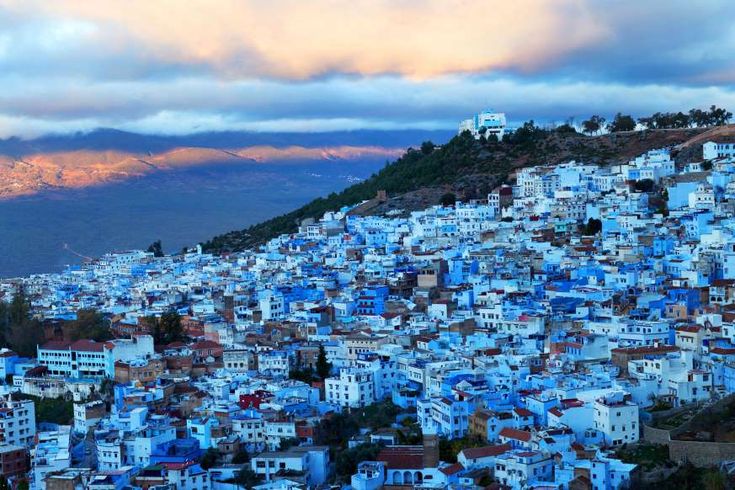
Sample “3 weeks in Morocco itinerary” logic that includes Chefchaouen
In a 3 weeks in Morocco itinerary, Chefchaouen usually works best early on, when you’re fresh for walking and photography. Then you can move to Fes for deeper medina exploration, continue to the Sahara through routes like Morocco desert tours from Fes, and later finish with Marrakech and day trips, including desert-style experiences closer to the city.
Furthermore, three weeks gives you the chance to avoid rushed one-night stops, which improves the whole trip. Consequently, you can choose the best time to visit Chefchaouen based on comfort, then build the rest of the itinerary around smooth travel days and smart seasonal timing across regions.
FAQ: quick answers about the best time to visit Chefchaouen
Travelers often ask whether Chefchaouen is “worth it” in summer or winter, and the honest answer is yes—if you plan around heat or rain. Summer works best with early starts and midday rest, while winter works best with layers, grip shoes, and flexible timing for showers.
People also ask how to combine Chefchaouen with desert routes and tour styles. If you prefer simple logistics, morocco group tours or Authentic Small Group Morocco Tours can connect the north with routes heading to Fes and beyond, while private planning can fit Chefchaouen into broader journeys that may include Sahara Tours from Casablanca or later Sahara desert tours from Marrakech, depending on your start and end cities.
Conclusion: choosing your perfect season for Chefchaouen
The best time to visit Chefchaouen for most travelers is spring, because it combines mild temperatures, green mountain scenery, and excellent conditions for walking. Autumn is an outstanding runner-up, especially if you want warm, photogenic light and a comfortable pace without peak-summer crowd pressure.
However, the “right” season depends on your priorities, budget, and how Chefchaouen fits into your Morocco plan. Whether you’re traveling independently, joining Morocco Small Group Tours, or building tailor made Morocco tours, choosing the right months can make the Blue City feel calmer, more beautiful, and more enjoyable from the moment you arrive.