
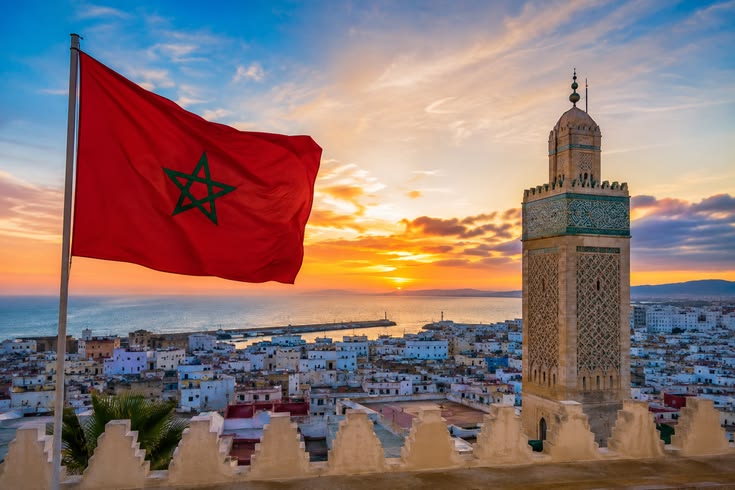
10 Day Morocco Itinerary from Casablanca (2026): Sahara Desert, Fes, Chefchaouen & Marrakech
If you want to see Morocco’s must-visit cities and the real Sahara in one trip, this 10 day Morocco itinerary from Casablanca is one of the most balanced routes you can choose. It combines the Atlantic coast, the Rif Mountains’ blue town, the cultural depth of Fes, and the dunes of Merzouga before finishing with the energy of Marrakech.
Moreover, this plan works for different travel styles: independent travelers who want a clear roadmap, couples looking for comfort, and families who prefer a smoother pace. It also adapts easily to Morocco Small Group Tours, private trips, and tailor made Morocco tours—so you can upgrade hotels, add experiences, or reduce driving with smart overnight stops.
At a glance: route + overnight plan
This itinerary is designed as a classic north-to-south loop with the Sahara in the middle. Therefore, you spend less time backtracking and more time actually exploring.
Typical route: Casablanca → Rabat → Chefchaouen → Fes → Midelt/Ziz Valley → Merzouga (Erg Chebbi) → Todra Gorge → Dades/Skoura → Aït Ben Haddou → Marrakech → Casablanca (departure)
Overnights (suggested):
- Casablanca
- Chefchaouen
3–4. Fes (2 nights)
5–6. Merzouga (desert side, 2 nights) - Dades Valley (or Skoura/Ouarzazate)
8–9. Marrakech (2 nights)
Who this trip is ideal for (private, small group, or family)
This itinerary fits travelers who want a “best of Morocco” feel without rushing every day. In addition, the order of stops makes sense culturally: you start modern and coastal, then go deep into old medinas, and finally reach the Sahara landscapes and the High Atlas passes.
If you’re comparing styles, Small Group Morocco Tours and morocco group tours are great when you want a fixed budget and built-in logistics. On the other hand, custom Morocco tours are better if you want specific riads, more photo stops, or kid-friendly breaks—so they’re often preferred for Morocco Family Tours and travelers seeking Authentic Morocco Travel Experiences.
Best time to do a 10-day tour from Casablanca
Spring (March–May) and autumn (September–November) are usually the sweet spots. The days are comfortably warm for walking medinas and enjoying desert sunsets, while nights are still manageable in the dunes.
However, summer (June–August) can be very hot in the Sahara and Marrakech, so you’ll want earlier starts, more rest time, and possibly an extra night in the Atlas. Winter (December–February) is quieter and beautiful, yet desert nights are cold and the Atlas can get snow—so packing and accommodation quality matter more.
Day 1 — Casablanca: city highlights + Hassan II Mosque
Start your trip with the essential Casablanca experience: a mix of modern boulevards and ocean views. After arriving, check into your hotel and head to the Corniche (Ain Diab) for a relaxed introduction to Morocco’s Atlantic vibe, especially around late afternoon when locals come out.
Afterward, prioritize the Hassan II Mosque (guided visits are usually at set times). It’s one of the few major mosques in Morocco open to non-Muslim visitors, and it’s an ideal “first landmark” because it immediately sets the tone for the craftsmanship you’ll see later in Fes and Marrakech. If you’re building a broader plan around Casablanca desert tours, this day is also when your driver-guide can brief you on distances, stops, and timing for the Sahara leg.
Optional evening: Rick’s Café-style atmosphere (touristy but fun) or a seafood dinner near the coast.
Day 2 — Casablanca → Rabat → Chefchaouen (Rif Mountains)
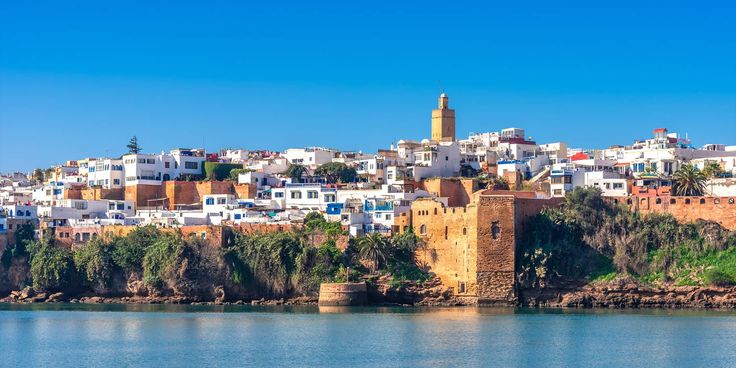
Leave Casablanca and drive to Rabat, Morocco’s capital, for a short but high-impact stop. You can see the Hassan Tower, the Mausoleum of Mohammed V, and the Kasbah of the Udayas; they’re close enough that you can cover them efficiently without feeling rushed.
Later, continue north toward Chefchaouen through greener hills as you approach the Rif Mountains. This is a longer driving day, yet it’s scenic, and arriving in the blue city around sunset feels magical because the light softens the blue-washed lanes. If you’re designing Authentic Small Group Morocco Tours, this is a strong day to add a local dinner in the medina because Chefchaouen is calm and walkable at night.
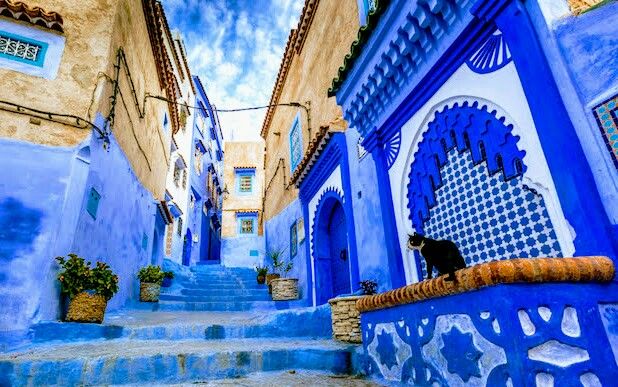
Day 3 — Chefchaouen: blue streets, viewpoints, and a slow pace
Chefchaouen rewards travelers who slow down. Begin early when the streets are quiet, then wander without a strict plan: part of the charm is getting “pleasantly lost” in stairways, arches, and small squares, especially around Uta el-Hammam.
In addition, hike (or taxi) up to the Spanish Mosque viewpoint late afternoon for panoramic photos. The walk is straightforward and gives you a wide view of the medina tucked into the mountains. This day is also perfect for those chasing Authentic Morocco Travel Experiences, because you can keep it simple—local bread, mint tea, a small handicraft purchase, and unhurried photography.
Overnight: Chefchaouen.
Day 4 — Chefchaouen → Volubilis → Meknes (optional) → Fes
Today you transition from the Rif region into Morocco’s imperial heartland. First, drive toward Volubilis, the Roman archaeological site with mosaics and columns set in open countryside. It’s a surprisingly peaceful stop, and it breaks the drive nicely.
After Volubilis, you can add a quick Meknes visit (Bab Mansour, old granaries) before reaching Fes. Arriving in Fes feels like stepping into a living museum, so keep the evening light: check into your riad and take a short guided orientation walk to avoid medina confusion. If you’re comparing best Morocco tours, two nights in Fes is often the minimum that keeps the itinerary comfortable.
Day 5 — Fes: full medina day (culture + craftsmanship)
Dedicate a full day to Fes, because it’s the spiritual and intellectual capital of Morocco. Start with panoramic viewpoints over the medina, then enter through one of the historic gates and explore key areas like Bou Inania Madrasa, Nejjarine Square, and the artisan quarters.
Furthermore, a proper Fes day should include a tannery viewpoint (often Chouara) and an explanation of how leather is processed, plus time to visit small workshops for brass, zellige, and carpentry. This is where guided context matters; otherwise, the medina can feel overwhelming. Many travelers combine this day with tastings (olive oil, dates, sweets), which also supports the “slow travel” feeling typical of Morocco adventure tours that prioritize culture over rushing.
Day 6 — Fes → Ifrane → Cedar Forest → Midelt → Ziz Valley → Merzouga (Sahara)
This is your gateway day into the desert landscapes, and it’s a highlight for scenery lovers. Leave Fes and pass through Ifrane (often called “Little Switzerland” for its alpine look), then continue to the cedar forests near Azrou where you may see Barbary macaques.
Afterward, cross the Middle Atlas with changing colors and wide plateaus, stopping in Midelt for lunch. As you continue south, the road descends into the Ziz Valley, where palm groves and fortified villages appear like a preview of Saharan Morocco. Arrive near Merzouga by late afternoon, then transfer to camels or a 4×4 for the final approach to camp. This is the classic moment many people imagine when searching Sahara Tours from Casablanca or Morocco desert tours from Fes, and it’s even better in person.
Night: Desert camp (standard or luxury).
Tours to Casablanca :
- Morocco Itinerary from Casablanca: 6 Day
- 7 Days Morocco Tour from Casablanca
- 8 Days Tour from Casablanca
- 9 Days from Casablanca Tour
- 10 Days Morocco Tour
- 11 Days Morocco Tour
- 12 Day Morocco Tour
- 13 Days Around Morocco
- 14 Days Grand Morocco Tou
Day 7 — Merzouga / Erg Chebbi: dunes, villages, and desert life
Wake up early for sunrise on the dunes. The light changes quickly, so even a short climb gives you dramatic colors and clean dune lines. After breakfast, return to your hotel or camp base to freshen up before a relaxed day exploring the area.
In addition, consider a 4×4 circuit around Erg Chebbi to visit desert villages, fossil areas, or meet Gnawa musicians (depending on what’s operating and what feels respectful/appropriate). If you want a more active day, add sandboarding or a quad ride in controlled zones. This is also where itinerary flexibility matters: custom Morocco tours can build in extra rest time, while Morocco Small Group Tours often follow fixed schedules.
Day 8 — Merzouga → Rissani → Todra Gorge → Dades Valley (or Skoura)
Today is a scenic transition from dunes to canyons. Start with Rissani if you want a market-town feel (best on market days), then continue toward Erfoud and Tinghir. Eventually, you reach Todra Gorge, where sheer rock walls frame a riverbed corridor—great for short walks and photos.
Later, drive to the Dades Valley (or Skoura), where dramatic rock formations and kasbah landscapes make the evening drive feel like a movie set. This overnight stop is important because it breaks the long distance between Merzouga and Marrakech, keeping the next day more comfortable. Many best Morocco tours use this exact rhythm because it balances driving with real sightseeing.
Day 9 — Dades/Skoura → Ouarzazate → Aït Ben Haddou → High Atlas → Marrakech
Leave the valley and head toward Ouarzazate, often called the “Hollywood of Morocco.” You can stop for photos near the Taourirt Kasbah and continue to Aït Ben Haddou, the UNESCO-listed ksar famous for its earthen architecture and film history.
Afterward, cross the High Atlas via the Tizi n’Tichka pass, with viewpoints and roadside cafés along the way. This is a day of constant landscape change, which keeps the drive engaging. Finally, arrive in Marrakech and spend the evening in Jemaa el-Fna (snake charmers are controversial; however, the food stalls and atmosphere are iconic), then explore the souks with a loose plan.
This day also connects nicely to Marrakech desert tours planning, because many travelers continue afterward with Sahara desert tours from Marrakech if they didn’t do Merzouga—although in this itinerary, you’ve already experienced the real Sahara.
Day 10 — Marrakech (morning) → Casablanca (departure) OR extend
Spend your last morning in Marrakech with a focused, non-rushed plan: Bahia Palace, Ben Youssef Madrasa area, and a quick souk walk for final shopping. If you prefer gardens, choose Majorelle (book ahead when possible) or a quieter alternative like Le Jardin Secret.
Then drive back to Casablanca for your flight, allowing generous buffer time. If your flight is the next day, it’s often better to sleep in Casablanca near the airport to reduce stress. This is also the moment to decide what’s next in Where to Go in Morocco—because Morocco rewards repeat visits, and many travelers extend to the coast or the north.
Private vs Small Group: which option is best for this 10-day route?
If you want predictability, morocco group tours are typically priced per person and include set accommodation categories and timings. They’re ideal if you enjoy meeting other travelers and you’re okay with a fixed itinerary pace.
Conversely, private trips and tailor made Morocco tours let you choose your start time, stop for photos whenever you want, and select riads or hotels based on style rather than category. This flexibility often creates more Authentic Morocco Travel Experiences, especially for couples, photographers, and Morocco Family Tours that need snack breaks and downtime.
To include your exact phrase naturally: this route is commonly sold as “Fes desert tours Sahara Tours from Casablanca” in marketing materials because it links the two biggest cultural hubs (Fes + Casablanca) with the Sahara section around Merzouga.
Choosing Casablanca Desert Tours and Sahara Experiences
Casablanca desert tours can be organized in different ways depending on whether you prefer a private journey, a shared group excursion or a fully customized holiday. Some travelers want to reach the Sahara as quickly as possible, while others prefer a gradual journey with overnight stops in historic towns and scenic valleys. Before booking, compare the itinerary, transport arrangements, accommodation category, included meals, entrance fees and activities. These details can significantly affect both comfort and overall value.
The Sahara experience also varies according to the camp and activities selected. Standard camps may provide simple accommodation and shared facilities, whereas higher-comfort options may include private bathrooms and additional services. Camel rides, 4×4 excursions and local cultural visits may be included or offered separately. As a result, read the booking details carefully and confirm exactly what is covered. Responsible tour operators should explain realistic travel times, desert safety precautions and any additional costs before you confirm your reservation.
Sahara Desert Tours from Marrakech or Fes
Travelers frequently compare Sahara desert tours from Marrakech with Morocco desert tours from Fes. Both routes can lead to the dunes of Erg Chebbi near Merzouga, but they offer different landscapes and travel experiences. Departing from Marrakech usually involves crossing the High Atlas Mountains and visiting southern destinations such as Aït Ben Haddou and Ouarzazate. Departing from Fes often takes travelers through the Middle Atlas, cedar forests, the Ziz Valley and southeastern settlements.
The most suitable departure city depends on your overall itinerary and how much time you can dedicate to the desert. Since both journeys involve considerable driving, avoid choosing a very short excursion if you want to appreciate the landscapes and spend time at a desert camp. A longer route allows for scenic stops and a more comfortable pace. When comparing tour packages, check the number of nights in the desert region, the quality of transport and whether the itinerary includes enough time to enjoy the dunes rather than simply passing through them.
Desert Tours from Tangier and Other Departure Cities
Desert Tours from Tangier are another option for visitors entering Morocco through its northern gateway. Tangier provides access to the northern coastline, historic medinas and destinations such as Chefchaouen. However, reaching the Sahara from Tangier requires a substantial journey across the country, so it is important to plan enough time for transportation and overnight stops. Travelers who wish to combine northern Morocco with the desert should consider a longer itinerary rather than trying to fit every destination into a few days.
Similarly, Sahara Tours from Casablanca can be suitable for travelers whose international flights arrive in Casablanca and who want a complete route through the country. Before choosing a departure city, consider where your trip begins and ends, how many nights you have available and which cities you most want to visit. Comparing complete itineraries is more useful than focusing exclusively on the advertised tour price. A well-designed route should balance transportation, sightseeing, accommodation and time for rest.
Small Group Morocco Tours: A Comfortable Way to Explore
Small Group Morocco Tours are an appealing choice for travelers who want organized transportation, a planned itinerary and opportunities to meet other visitors. Rather than arranging every transfer independently, participants can travel together between major destinations while benefiting from an established schedule. Depending on the operator, the group may include guided visits, selected meals and accommodation arrangements, making the overall planning process easier.
Before booking, check the maximum group size, the departure dates, the type of vehicle and the amount of free time included. Group travel can be economical, but the pace and flexibility may differ from a private trip. Some itineraries focus on the major highlights, whereas others dedicate more time to local culture and outdoor activities. For travelers who value convenience and shared experiences, Morocco Small Group Tours can be an effective way to discover several regions within ten days.
Authentic Small Group Morocco Tours and Local Culture
Authentic Small Group Morocco Tours aim to offer more than a checklist of famous landmarks. Depending on the itinerary, they may include visits to traditional markets, conversations with local guides, regional food experiences and opportunities to discover traditional crafts. These activities help visitors understand how history, geography and local customs shape daily life across Morocco. Moreover, smaller groups can sometimes make it easier to ask questions and engage with the places they visit.
However, the term “authentic” can mean different things to different operators. Look for specific details about the activities, the communities visited and how local businesses benefit from tourism. Consider tours that respect local customs, avoid exploitative animal experiences and provide clear information about optional purchases. By choosing thoughtful activities and responsible providers, you can enjoy a more meaningful journey while supporting local guides, artisans, restaurants and accommodation businesses.
Practical planning tips (so the itinerary stays comfortable)
Driving times in Morocco can feel longer than the distance suggests, because mountain roads and photo stops add up. Therefore, plan early departures on long-route days (especially Day 6 and Day 9) and keep lunch stops efficient.
In addition, choose your desert accommodation carefully. A “luxury camp” label can vary widely, so confirm whether you have a private bathroom, real beds, heating in winter, and how far the camp is from the dunes. This is one of the biggest comfort factors in any Sahara plan—whether it’s booked privately or through Authentic Small Group Morocco Tours.
Food and shopping: what to expect on this route
Each region has its own strengths. Fes is excellent for traditional dishes, preserved lemons, and sweets; meanwhile, the south is known for dates, tagines, and simple Berber-style meals. Try to eat where locals eat, but also choose clean, busy places where turnover is high.
When shopping, remember that bargaining is normal in souks, yet it should still feel respectful. Moreover, for high-value items like rugs, leather, or lamps, it’s worth comparing prices and quality in more than one shop. If you want less pressure, private tours can take you to artisan cooperatives; on some Morocco adventure tours, workshops are part of the cultural learning rather than hard selling.