Introduction: The Allure of Casablanca
When Casablanca travelers dream of Morocco, images of Marrakech’s vibrant souks or Chefchaouen’s blue-washed streets often come to mind. Yet, Morocco’s largest city, Casablanca Morocco, offers a charm of its own—modern, dynamic, and cosmopolitan. Known as the economic and cultural hub of the country, Casablanca is a city where the pulse of modern life beats in harmony with traditions deeply rooted in Moroccan identity.
Unlike the timeless mystique of Fes, Casablanca Morocco thrives in the present. Skyscrapers rise beside elegant Art Deco buildings, international companies share space with traditional souks, and one of the most magnificent mosques in the world—the Hassan II Mosque—dominates the Atlantic shoreline.
Casablanca Morocco is more than a stopover; it is a destination that embodies resilience, creativity, and diversity. It is the perfect city for travelers who want to experience Morocco’s contemporary face while still discovering its historic soul Casablanca.
History of Casablanca: From Anfa to a Global Metropolis
The story of Casablanca Morocco begins long before it became a modern metropolis. Originally known as Anfa, the city was founded in the 7th century by Berber tribes. Positioned strategically on the Atlantic coast, Anfa flourished as a trading port, linking Africa with Europe.
By the 15th century, Anfa had become powerful enough to catch the attention of European powers. In 1468, Portuguese forces destroyed the city. Later, in 1515, they rebuilt it and renamed it Casa Branca—“White House.” Under Spanish influence, the name evolved into Casablanca, while in Arabic it became Dar al-Bayda, which carries the same meaning.
During the French Protectorate (1912–1956), Casablanca Morocco was transformed. French urban planners designed wide boulevards, Art Deco neighborhoods, and modern infrastructures that shaped the city into Morocco’s economic capital.
Today, with more than 3.5 million inhabitants, Casablanca Morocco is not only the largest city in Morocco but also one of the most important financial hubs in Africa. Yet, amidst the glass towers and bustling traffic, traces of its long history remain visible. Casablanca.

Exploring Casablanca’s Landmarks: A Blend of Old and New
Hassan II Mosque: An Icon of Faith and Art
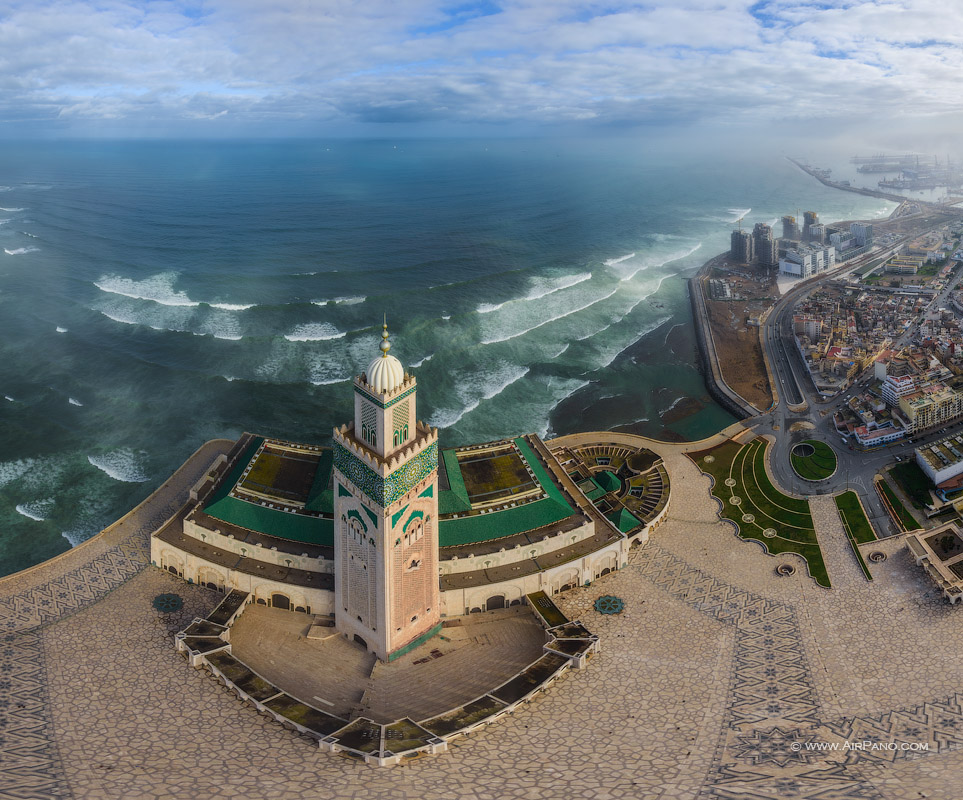
If Fes has the Kairaouine Mosque, Casablanca has the Hassan II Mosque, one of the largest mosques in the world. Completed in 1993, it was commissioned by King Hassan II to commemorate his 60th birthday.
- Its minaret rises 210 meters, making it the tallest in the world.
- Built partly on the Atlantic Ocean, it seems to float above the waves.
- The mosque can host 25,000 worshippers inside and another 80,000 in its courtyards.
With its intricate mosaics, marble columns, and hand-carved wood, the mosque represents the pinnacle of Moroccan craftsmanship. Unlike many mosques in Morocco, non-Muslims are allowed to visit on guided tours, making it a must-see attraction.
The Corniche: Casablanca’s Seaside Escape
StretLocated in the Ain Diab district, the Corniche is the city’s popular waterfront area. Once famous for its glamorous nightclubs in the 1960s, today it has transformed into a modern leisure destination.
Visitors enjoy:
- Seaside cafés and restaurants serving both local and international dishes
- Resorts and beach clubs with ocean views
- A long promenade perfect for jogging, cycling, or sunset walks
Whether you want a relaxing tea by the ocean or a lively nightlife experience, the Corniche is where modern Casablanca Morocco comes alive.
The Old Medina: A Glimpse into the Past
Though smaller and less intricate than the medinas of Fes or Marrakech, Casablanca’s Old Medina offers a charming labyrinth of narrow streets and traditional shops. Here you’ll find:
- Small stalls selling spices, fabrics, and handicrafts
- Local tailors and artisans keeping old crafts alive
- Everyday Casablanca life far from skyscrapers and traffic
It’s the perfect place to practice bargaining while enjoying an authentic side of the city Tour from Casablanca ..
Habous Quarter: The “New Medina”
Built in the 1930s by the French, the Habous Quarter is a fascinating fusion of traditional Built in the 1930s under French rule, the Habous Quarter is often called Casablanca’s “new medina.” Designed to blend Moroccan and French architectural styles, it remains one of the city’s most picturesque districts.
Highlights include:
- Bookshops specializing in Arabic and Islamic literature
- Bakeries offering traditional delights like kaab el ghzal and chebakia
- The Mahkama du Pacha, a stunning Hispano-Moorish building
Habous Quarter offers a calmer and more organized shopping experience compared to the bustling Old Medina.
Art Deco and Modern Architecture
Casablanca is often called the Art Deco capital of Morocco. Walking along Boulevard Mohammed V, you’ll encounter elegant 20th-century façades, theaters, and apartment buildings that rival Paris in style.
At the same time, modern Casablanca boasts skyscrapers like the Twin Center Towers and futuristic projects like the Casablanca Finance City Tower, reflecting Morocco’s growing economy Casablanca architecture on Wikipedia.
Casablanca: A Cultural and Economic Hub
While Fes is Morocco’s spiritual heart, Casablanca is its economic powerhouse. The Port of Casablanca is one of the largest artificial ports in the world, vital for trade and industry. The city also hosts the headquarters of major Moroccan and international companies.
Culturally, Casablanca is home to:
- The Casablanca International Film Festival
- Theatre Mohammed V and numerous galleries
- Music festivals that attract global artists
Casablanca represents Morocco’s cosmopolitan side, where tradition blends with global influences Essaouira Music Festival guide.
Daily Life & People of Casablanca
Casablancans, or Casawis, are known for their energy and open-mindedness. With a mix of cultures, languages, and lifestyles, the city is often described as Morocco’s “New York.”
Daily life revolves around:
- Bustling cafés where people socialize for hours
- Street markets selling everything from seafood to mobile phones
- Football matches, especially those of Raja Casablanca and Wydad Casablanca, the city’s two rival clubs
Despite being modern and fast-paced, Casablanca still embodies the warmth and hospitality Morocco is famous for.
Casablanca’s Cuisine: A Taste of the Atlantic
Casablanca’s location on the Atlantic makes it a paradise for seafood lovers. Some must-try dishes include:
- Grilled sardines with chermoula marinade
- Seafood pastilla, a modern twist on Fes’s b’stilla
- Harira soup, a staple during Ramadan
- Street food like bissara (fava bean soup) and fresh juices
Casablanca also offers international dining, from French bistros to Japanese sushi bars, reflecting its cosmopolitan character Fes culinary traditions .
Beyond Casablanca: Day Trips and Excursions
Casablanca’s central location makes it an excellent base for exploring northern and central Morocco. Popular day trips include:
- Rabat – The capital city with its Hassan Tower and Kasbah of the Udayas
- El Jadida – A coastal town with a Portuguese fortified city, a UNESCO World Heritage Site.
- Azemmour – A small town known for its whitewashed houses and artistic community.
- Settat & Benslimane – Inland towns with authentic Moroccan charm.
- Meknes and Volubilis – Roman ruins and imperial history . Visit Morocco official tourism site.

Tips for Travelers Visiting Casablanca
- Best Time to Visit: Spring (April–June) and Autumn (September–November).
- Recommended Duration: 2–3 days to see main highlights, longer if using as a travel hub.
- Getting Around: Petit taxis for short trips, tramway for quick city transport.
- Safety & Etiquette: Casablanca is generally safe, but use common sense in crowded areas.
- Local Advice: Dress modestly, especially when visiting mosques or traditional neighborhoods. Lonely Planet – Casablanca Travel Guide.
Why Casablanca Deserves a Spot on Your Itinerary
Casablanca is often seen as just a transit city, but that does it an injustice. It is where Morocco’s past, present, and future meet:
- The Hassan II Mosque reflects timeless craftsmanship.
- The Corniche and Art Deco boulevards show Morocco’s modern identity.
- Its people and cuisine embody both tradition and innovation.
👉 Internal link: Continue your journey with our Casablanca Travel Guide for a complete contrast.
FAQ – Casablanca Travel Questions
1. What is Casablanca famous for?
Casablanca is famous for the Hassan II Mosque, Art Deco architecture, the Corniche, and being Morocco’s economic capital.
2. Is Casablanca worth visiting?
Yes. While it doesn’t have the medieval charm of Fes or Marrakech, it offers a unique mix of modernity, history, and cultural depth.
3. How many days should I spend in Casablanca?
2–3 days are enough for main attractions, but it can also serve as a base for exploring nearby cities like Rabat and El Jadida.
4. What food should I try in Casablanca?
Seafood dishes, sardines, pastilla, tagines, harira soup, and Moroccan pastries like chebakia and kaab el ghzal.
5. What is the best area to stay in Casablanca?
For luxury: near the Corniche or city center. For budget: near the Habous Quarter or Old Medina TripAdvisor – Things to Do in Casablanca.