Introduction: The Magic of Tangier
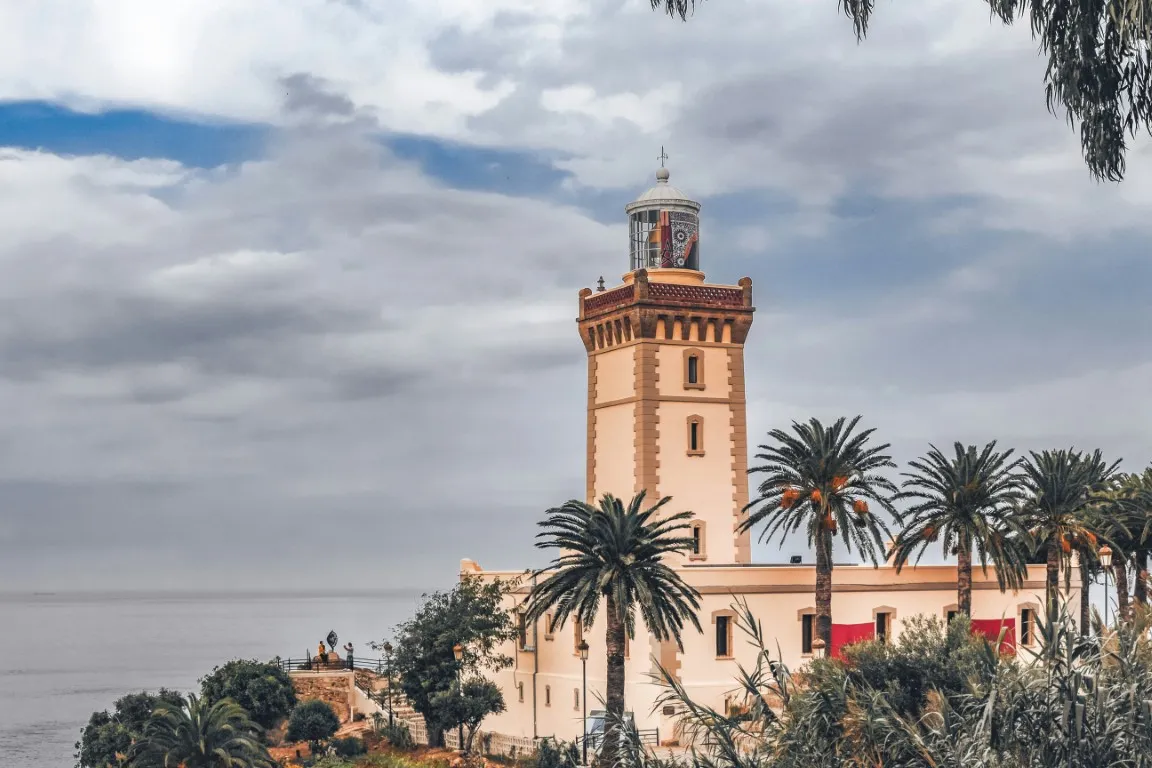
When travelers think of Morocco, cities like Marrakech, Fes, or Chefchaouen often steal the spotlight. Yet, Tangier—nestled at the crossroads of the Atlantic Ocean and the Mediterranean Sea—offers a distinct allure. Tangier is a city of contrasts, where European sophistication meets Moroccan tradition, and where the whispers of history echo through bustling markets and winding alleys.
Unlike Marrakech’s desert-inspired charm or Fes’s medieval mystique, Tangier thrives as a cosmopolitan gateway. From art galleries to beaches, cafés to kasbahs, Tangier Morocco is a destination where the past and present coexist seamlessly. For travelers seeking a city with a rich history, vibrant culture, and seaside tranquility, Tangier is the perfect starting point for a Moroccan adventure.
History of Tangier: From Ancient Port to International City
Tangier has been a melting pot for centuries. Its strategic location at the Strait of Gibraltar made it a prized port for civilizations throughout history.
- Ancient Times: Known as Tingis in antiquity, Tangier was influenced by Phoenicians, Carthaginians, and Romans. Its port facilitated trade across the Mediterranean, making it a hub for commerce and culture.
- Islamic Era: With the arrival of Islam in the 7th century, Tangier flourished as a center of learning and trade. The city was governed by various dynasties, including the Idrisids, Almoravids, and Marinids, each leaving their mark on its architecture and culture.
- European Influence: In the 15th and 16th centuries, Portugal and later Spain sought control over Tangier due to its strategic importance. It became a point of contention between European powers and Moroccan rulers.
- International City: In the early 20th century, Tangier was declared an International Zone, attracting diplomats, spies, writers, and artists. Famous figures like Paul Bowles, Tennessee Williams, and Henri Matisse lived and drew inspiration from Tangier.
Today, Tangier’s cosmopolitan legacy is still visible. With a population of over 1.1 million, it is a dynamic city that continues to bridge continents, cultures, and eras Visit Morocco Official Tourism Site

Exploring Tangier: Landmarks and Neighborhoods
The Kasbah: Heart of History
Perched atop a hill overlooking the Strait of Gibraltar, the Tangier Kasbah is a living testament to the city’s layered history. Key attractions include:
- Kasbah Museum: Housed in the former Sultan’s palace, showcasing artifacts from Tangier’s Berber, Roman, and Islamic periods.
- Mendoubia Gardens: Serene gardens featuring ancient trees and fountains, perfect for a quiet stroll.
- Kasbah Square: Bustling with cafés and local vendors, offering panoramic views of the harbor.
Visiting the Kasbah gives a sense of Tangier’s centuries-long role as a crossroads of civilizations Wikipedia: Tangier Architecture.
The Medina: Labyrinth of Life
Tangier’s Old Medina offers an authentic glimpse into Moroccan daily life. Its narrow streets are filled with:
- Shops selling spices, textiles, and traditional crafts
- Local bakeries with Moroccan pastries such as msemen and ghoriba
- Cafés serving mint tea and fresh coffee, where locals gather to chat
Unlike larger medinas like Marrakech or Fes, Tangier’s Old Medina is more relaxed, allowing visitors to wander and explore without feeling overwhelmed TripAdvisor: Things to Do in Tangier.
Petit Socco: A Cultural Hub
The Petit Socco, a small square in the heart of the medina, has long been a meeting place for writers, artists, and travelers. Highlights include:
- Historic cafés frequented by international literary figures
- Street performers and musicians adding to the lively atmosphere
- Nearby markets where handcrafted goods and souvenirs can be found
The square is an excellent starting point to explore Tangier’s artistic and intellectual heritage Lonely Planet – Tangier Travel Guide.

Beaches and Corniche: Tangier by the Sea
Tangier boasts several beaches along its Atlantic coast. The Tangier Corniche offers:
- Scenic seaside walks with panoramic views of the ocean
- Cafés and restaurants serving fresh seafood and Moroccan delicacies
- Beach clubs and resorts perfect for sunbathing or enjoying water sports
Whether you’re looking to relax or soak in the coastal scenery, the Corniche reflects Tangier’s modern, vibrant lifestyle Essaouira Music Festival Guide.
Art Deco and Modern Architecture
Tangier is often overlooked for its architectural charm. Walking along Avenue Mohammed V or the Boulevard Pasteur, visitors will notice:
- Elegant Art Deco buildings from the early 20th century
- Modern structures such as shopping malls and office towers
- A fusion of Moroccan motifs with European architectural styles
Tangier’s architecture reflects its identity as a city shaped by both local traditions and international influences.
Tangier: Cultural and Economic Significance
Tangier is more than a historic city; it is also a thriving economic and cultural hub.
- Tangier-Med Port: One of Africa’s largest ports, vital for trade and shipping
- Tangier Free Zone: A hub for international businesses and industrial projects
- Cultural Life: Home to the Tangier International Film Festival, theaters, galleries, and music events attracting artists from across the globe
This blend of tradition and modernity gives Tangier a unique energy, making it a magnet for creatives and entrepreneurs alike.
Daily Life & People of Tangier
Tangieris, often called Tangerois, are known for their openness and cosmopolitan outlook. Life in Tangier revolves around:
- Cafés where people enjoy mint tea, coffee, and lively conversation
- Street markets filled with fresh produce, spices, and handicrafts
- Football matches, particularly local teams IR Tanger and KAC Tangier
Despite its fast pace and modernity, Tangier retains the warmth and hospitality that characterize Moroccan life
Tangier’s Cuisine: A Culinary Journey
Tangier’s coastal location influences its gastronomy. Must-try dishes include:
- Grilled sardines and fresh seafood platters
- Tangier pastilla, a sweet and savory pie
- Harira soup, especially during Ramadan
- Street food like msemen, fava bean soup, and fresh fruit juices
The city also offers international dining, from French bistros to Italian pizzerias, reflecting its cosmopolitan identity.
Day Trips from Tangier
Tangier’s location makes it an excellent base for exploring northern Morocco:
- Chefchaouen: The iconic blue city nestled in the Rif Mountains
- Tetouan: A UNESCO World Heritage site with Andalusian architecture
- Asilah: A charming coastal town known for its arts festival
- Martil & M’diq: Beach towns perfect for a seaside escape
- Tetouan Wine Route & Rif Mountains: For nature and gastronomy enthusiasts
Tips for Travelers Visiting Tangier
- Best Time to Visit: Spring (April–June) and Autumn (September–November)
- Recommended Duration: 2–3 days for main highlights, longer for day trips
- Getting Around: Petit taxis for short trips, grand taxis for longer journeys, and walking in the medina
- Safety & Etiquette: Tangier is generally safe; modest clothing is advised when visiting mosques or traditional neighborhoods
- Local Advice: Practice bargaining in markets, and always carry cash for small purchase
Why Tangier Should Be on Your Itinerary
Tangier offers a unique Moroccan experience:
- Kasbah & Medina: Step back into centuries of history
- Beaches & Corniche: Enjoy modern Moroccan leisure
- Cuisine & Cafés: Taste the city’s fusion of local and international flavors
- Artistic & Literary Heritage: Explore the city that inspired global icons
FAQ – Tangier Travel Questions
-
What is Tangier famous for?
Tangier is famous for its Kasbah, beaches, Old Medina, Petit Socco, and its role as a historic international city.
Is Tangier worth visiting?
Absolutely. It combines history, culture, modernity, and coastal beauty in a unique way.
-
How many days should I spend in Tangier?
2–3 days cover main attractions; 4–5 days if exploring nearby towns.
-
What food should I try in Tangier?
Seafood dishes, pastilla, harira soup, msemen, and Moroccan pastries.
-
Best areas to stay?
Luxury: Corniche or city center; Budget: Medina or Petit Socco vicinity.
Conclusion: Why Tangier Should Be on Your Moroccan Journey
Tangier is more than just a gateway to Morocco—it is a destination in its own right. From the historic Kasbah and winding alleys of the Old Medina to the modern Corniche and vibrant café culture, the city beautifully blends history, tradition, and contemporary life. Its strategic location at the Strait of Gibraltar has made it a crossroads of civilizations, resulting in a rich cultural tapestry visible in its architecture, cuisine, and arts scene.
Whether you are exploring bustling markets, savoring fresh seafood by the sea, or wandering streets that once inspired legendary writers and artists, Tangier offers an experience that is both dynamic and authentic. With nearby day trips to coastal towns, mountain villages, and UNESCO World Heritage sites, the city also serves as an excellent base for discovering northern Morocco.
In Tangier, Morocco’s past, present, and future converge—inviting travelers to experience a city where cosmopolitan energy meets traditional charm. It is a place to linger, explore, and let the magic of Morocco’s coastal jewel leave a lasting impression.