
Casablanca City Highlights Tour: Corniche Ain Diab, Mohammed V Square & Hassan II Mosque
Casablanca city highlights tour is the easiest way to see the city’s top cultural landmarks in a short amount of time—especially if you’re arriving by cruise ship or staying only one night. Instead of dealing with taxis and timing, you’ll visit key sites like the Corniche Ain Diab, Mohammed V Square, and the Hassan II Mosque while your guide explains the history and meaning behind each stop.
You’ll be chauffeured around Casablanca comfortably in your own vehicle, with pickup from centrally located hotels or directly from the port. As a result, you can cover more ground efficiently and still enjoy each landmark without feeling rushed—making this Casablanca city highlights tour a strong first step before continuing to other routes like Sahara Tours from Casablanca or Marrakech desert tours.
Why a Casablanca City Tour is Worth It (Even If You Have Only One Day)
Casablanca can feel big and spread out compared to older imperial cities, which is exactly why a guided city tour works so well here. Instead of losing time negotiating taxis, figuring out distances, or missing the best viewpoints, you follow a smart itinerary designed around traffic patterns, opening times, and light for photography.
Moreover, a guide helps you read Casablanca’s character: French-influenced boulevards, Art Deco façades, business districts, and oceanfront promenades all exist side-by-side with traditional markets and local cafés. Consequently, this tour becomes a practical introduction to Where to Go in Morocco next—whether you’re planning Sahara Tours from Casablanca, a quick jump to Rabat, or a longer itinerary toward Chefchaouen and Fes.
What This City Highlights Tour Usually Includes
Most Casablanca highlights tours begin with pickup from centrally located hotels or the port, which is ideal for cruise passengers or travelers arriving for a short stay. From there, you travel in a comfortable vehicle—often air-conditioned—so you can focus on the sights rather than the logistics.
In addition, many tour formats offer flexibility: a short “essential” route that focuses on the three major landmarks, or a longer version that adds hidden corners like Habous (the New Medina), local food stops, and scenic viewpoints. This flexibility is also what makes Casablanca a great starting point for tailor made Morocco tours and custom Morocco tours, because you can adjust the pace based on your interests.
Stop 1: Corniche Ain Diab (Casablanca’s Oceanfront)
The Corniche Ain Diab is where Casablanca breathes. This oceanfront strip combines coastal views, beach clubs, cafés, and a wide promenade that comes alive in the late afternoon. If you want to understand how locals relax, socialize, and spend weekends, the Corniche is one of the best places to start.
Additionally, the Corniche offers a refreshing contrast to the city’s busy center. You can stop for panoramic photos of the Atlantic, take a short walk, or simply enjoy the sea air before heading back into the architectural heart of Casablanca. For many travelers, this seaside beginning sets a relaxed tone before more structured cultural stops.
Stop 2: Mohammed V Square (The Architectural “Center” of Casablanca)
Mohammed V Square is Casablanca’s civic centerpiece—an open, photogenic space surrounded by key administrative buildings. Here you’ll notice a blend of French urban planning and Moroccan details, which gives Casablanca its unique “modern Morocco” identity.
Furthermore, this area is excellent for understanding Casablanca’s 20th-century expansion and the city’s Art Deco and neo-Moorish influences. If you’re traveling with a guide, this is often where you’ll hear the clearest overview of Casablanca’s timeline, from its earlier roots to its transformation into Morocco’s economic capital.
Stop 3: Hassan II Mosque Tour Casablanca (A Must-See Landmark)
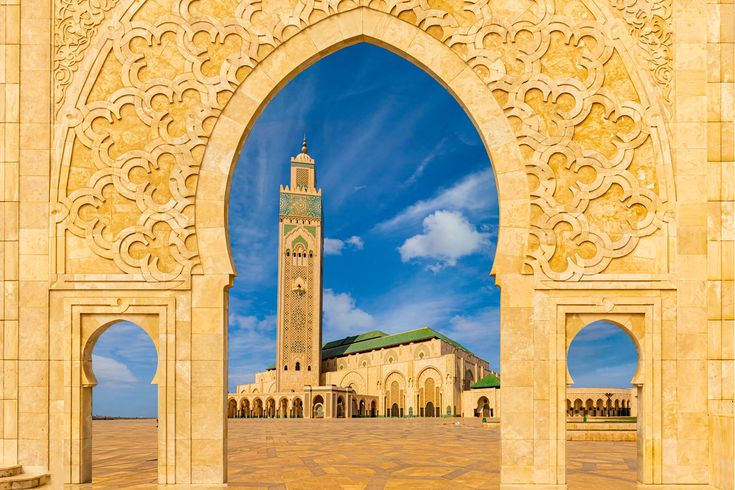
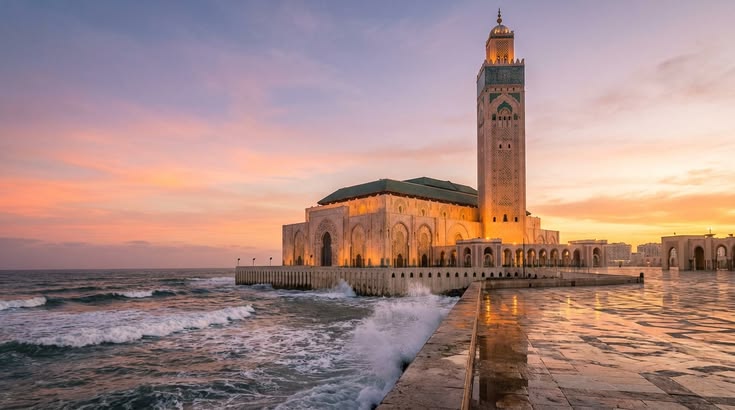
A Hassan II Mosque tour Casablanca is the highlight for most visitors—and for good reason. It is one of the largest mosques in the world, dramatically positioned on the Atlantic Ocean, with craftsmanship that rewards close attention: carved stone, zellige tilework, cedar wood ceilings, and intricate plaster details.
Equally important, a guided visit helps you appreciate what you’re seeing rather than just taking photos. Your guide can explain etiquette, the meaning behind design elements, and how to plan your visit around entry times. Because the Hassan II Mosque is one of Casablanca’s most in-demand attractions, tours often time this stop carefully to reduce waiting and keep your day flowing smoothly.
tours from casablanca
6 Days Desert Tours From Casablanca
Extra Cultural Attractions to Add (If You Want a Deeper Casablanca Experience)
If you have more time, Casablanca offers several worthwhile additions beyond the “big three.” One popular extension is the Habous Quarter (New Medina), known for traditional-style architecture, artisan shops, and calmer streets that feel more intimate than the downtown boulevards.
Likewise, you can consider stops like the Central Market (for local daily life), Notre Dame de Lourdes Church (for its stained glass), or a café break at a classic Casablanca patisserie. These additions are especially valuable if you want Authentic Morocco Travel Experiences—the kind of moments that aren’t only about monuments, but also about rhythm, food, and local atmosphere.
Suggested Half-Day vs Full-Day Itinerary (City Highlights)
A half-day itinerary typically focuses on the essentials: Corniche Ain Diab, Mohammed V Square, and a well-timed Hassan II Mosque visit. This option is perfect if you’re arriving on a flight, departing by train, or using Casablanca as a transit night before continuing your Morocco route.
On the other hand, a full-day plan allows breathing room: you can add Habous, include a relaxed lunch, and fit in a few scenic stops for photos. As a result, the tour feels less like a checklist and more like a curated day in the city—especially when you choose a private format with flexible pacing.
Private vs Small Group: Which Casablanca Tour Format Should You Choose?
A private tour is ideal if you want full control over timing, photo stops, and how long you spend at each landmark. It’s also the easiest option for families, older travelers, or anyone with specific interests such as architecture, shopping, or food.
In contrast, Small Group Morocco Tours offer a social and cost-effective way to explore, particularly if you enjoy meeting other travelers. Many companies now focus on Authentic Small Group Morocco Tours, keeping group sizes manageable and guiding styles more personal. That balance often delivers excellent value without feeling rushed.
When to Take This Tour: Best Seasons and Best Time of Day
Spring and autumn are generally the most comfortable periods for a Casablanca tour, with pleasant temperatures and clearer skies. Summer is still doable, especially along the Corniche, although midday heat and traffic can slow the pace.
Additionally, time of day matters for photography and crowds. Morning tours often provide softer light downtown and a calmer start at major stops, while late afternoon can be beautiful on the Corniche. If the Hassan II Mosque is your priority, your guide will typically plan around official visiting hours for non-worshippers to ensure a smooth experience.
Practical Tips: Dress Code, Tickets, Pickup, and Comfort
For the Hassan II Mosque, modest dress is strongly recommended: shoulders and knees covered, and comfortable shoes for walking. Women may prefer carrying a light scarf, even if it’s not strictly required for all areas, because it can help you feel prepared and respectful.
Moreover, confirm what your tour includes: some tours include mosque entry fees, while others do not. Pickup logistics also matter—hotel pickup is common, and port pickup usually requires clear details about your ship, arrival time, and meeting point. Consequently, a little coordination ahead of time can save a lot of confusion on the day.
Making Casablanca Part of a Bigger Morocco Plan
Casablanca is often a gateway city rather than a final destination, which is why it fits neatly into broader itineraries. After a city highlights tour, many travelers continue toward Rabat, Chefchaouen, Fes, or Marrakech depending on how many days they have and what kind of trip they want.
In addition, Casablanca is a strong starting point for both cultural routes and adventure routes. If you’re browsing best Morocco tours, consider using Casablanca as Day 1 for orientation, then moving quickly toward the medinas of Fes, the Atlas Mountains, and the Sahara. This sequence creates a satisfying build: modern coastal city → historic imperial city → desert landscapes.
Casablanca Desert Tours: How City Sightseeing Connects to the Sahara
Many travelers don’t realize how common Casablanca desert tours are until they start planning. Since Casablanca is a major transport hub, it’s a practical launch point for longer journeys to the dunes—especially if you want a guided route that handles hotels, drives, and desert camp logistics.
That said, desert tours require realistic timing. Merzouga is far from Casablanca, so most desert itineraries from here run 6–10 days if you want them comfortable and not overly rushed. Consequently, if the Sahara is a must, it’s wise to treat Casablanca as the beginning of a multi-day program rather than trying to “do everything” in two or three days.
Sahara Tours from Casablanca vs Morocco Desert Tours from Fes
Sahara Tours from Casablanca tend to be longer because of distance, but they can be incredibly rewarding if you want a complete north-to-south journey. You can include Chefchaouen, Fes, cedar forests, and then continue toward the dunes, creating a rich progression of landscapes.
Meanwhile, Morocco desert tours from Fes are often the most time-efficient way to reach Merzouga. If you’re short on days, you can do a direct desert itinerary from Fes and then continue to Marrakech afterward. Therefore, your best starting point depends on whether Casablanca is simply where you land—or where you truly want to begin a full cross-country story.
Marrakech Desert Tours and Sahara Desert Tours from Marrakech (How They Compare)
If you’re researching Marrakech desert tours, you’ll find many options because Marrakech is closer to desert gateways than Casablanca. Sahara desert tours from Marrakech commonly run 3 days to Merzouga, passing through the High Atlas, Aït Ben Haddou, and dramatic valleys.
However, it’s still useful to experience Casablanca first if it’s on your route. Many travelers prefer starting in Casablanca, taking a day for city highlights, then traveling to Fes or Marrakech to begin the desert portion. In other words, Casablanca doesn’t compete with Marrakech—it complements it, especially in tailor made Morocco tours designed around flights and personal interests.
Desert Tours from Tangier: A Note for Travelers Coming from the North
For travelers landing in the north, Desert Tours from Tangier can be a strong alternative to starting in Casablanca. Tangier connects well with Chefchaouen and Fes, which makes it easier to create a north-to-south route without backtracking.
Nevertheless, Casablanca remains a key city for many flight routes, and it offers one of Morocco’s most iconic sights (Hassan II Mosque). So, if your trip begins or ends in Casablanca, it’s worth scheduling a city highlights tour even if the desert portion starts elsewhere.
Morocco Small Group Tours, Morocco Family Tours, and Morocco Adventure Tours (Who This Casablanca Tour Is Best For)
This Casablanca city highlights experience fits naturally into Morocco Small Group Tours, because it’s a high-impact day with minimal complexity. You can see major sights efficiently, then continue onward with the group itinerary to imperial cities and desert regions.
It’s also excellent for Morocco Family Tours, especially when you keep pacing comfortable and include breaks. In addition, travelers who want Morocco adventure tours—like trekking, dunes, or Atlas activities—often enjoy a Casablanca day because it provides cultural context before the more active parts of the trip begin.
What to Expect From the Guide Experience (And Why It Matters)
A great guide does more than recite dates. They help you understand why Casablanca feels different from Fes or Marrakech, and how Morocco’s history shows up in street design, architecture, and daily life.
Additionally, guided context can change how you see the Hassan II Mosque. Instead of viewing it as a single photo stop, you’ll understand it as a symbol of modern Moroccan identity, craftsmanship, and national pride. As a result, the tour feels richer, even if your time is limited.
Food and Break Ideas During a Casablanca Highlights Day
Casablanca has a diverse food scene, from casual street snacks to refined dining. Depending on your schedule, you might include a short break for Moroccan mint tea, pastries, or a seafood lunch near the coast.
Moreover, planning breaks is not just about comfort—it improves the whole tour flow. A well-timed stop can help you avoid traffic peaks and keep energy levels up, which is especially important for families or travelers doing multi-day itineraries afterward.
Photography Tips: Getting the Best Shots at Each Landmark
At the Corniche, wide-angle shots work well for coastline scenes, especially with late afternoon light. If you want people-free photos, earlier morning is often calmer, although the atmosphere becomes more lively later in the day.
At Mohammed V Square, focus on symmetry and building details, and consider stepping back to capture the full urban composition. For the Hassan II Mosque, the best photos often come from combining scale (include people for perspective) with details (tilework, arches, carved elements). Consequently, giving yourself just a little extra time at each stop can dramatically improve your results.
Accessibility and Comfort: Who This Tour Works For
Because much of Casablanca sightseeing involves short walks and vehicle transfers, it can be comfortable for a wide range of travelers. If anyone in your group has mobility concerns, private tours can often adjust stops and walking distances.
Similarly, cruise passengers benefit from a clear pickup-and-drop-off plan. Casablanca traffic can be unpredictable, so building in a buffer and working with an experienced driver-guide team is a practical way to reduce stress and ensure you return on time.
How to Choose a Quality Casablanca City Highlights Tour (Booking Checklist)
Start by checking the itinerary and confirming whether the Hassan II Mosque interior visit is included, since entry rules and timing can affect your day. Then confirm pickup details, duration, and what language your guide speaks.
Next, look at vehicle comfort, especially in warmer months. Finally, consider the tour style: if you want flexibility and deeper storytelling, private is often best; if you want shared costs and a social vibe, choose morocco group tours or smaller curated experiences. Either way, clarity upfront leads to a smoother day.
Extending Your Trip After Casablanca: Sample Routes (Including Desert Options)
If you have about a week, Casablanca can be the first chapter in a route that includes Rabat, Chefchaouen, and Fes before looping toward Marrakech. This structure is popular because it balances coastal cities, mountain scenery, and medina culture.
If you have more time, you can build a longer journey that includes the Sahara. Many travelers combine Casablanca with Sahara Tours from Casablanca or use Casablanca as a starting hub before connecting with desert routes from Fes or Marrakech. Consequently, Casablanca becomes not just a stop—but a logical launchpad.
3 Weeks in Morocco Itinerary (How Casablanca Fits Into a Longer Trip)
A 3 weeks in Morocco itinerary gives you the freedom to slow down, which is where Casablanca shines. Instead of rushing through in a couple of hours, you can enjoy the Corniche at sunset, explore neighborhoods at a relaxed pace, and still have time for day trips.
After Casablanca, you can continue north to Chefchaouen and Tangier, then head to Fes for medina culture, and later travel toward the Atlas Mountains and the desert. Because three weeks provides margin, you can also include coastal towns and add rest days—making the whole journey feel more authentic and less like a race.