
Morocco Group Tours: The Ultimate Guide to Group Travel Across Morocco (2026)
Morocco has a way of overwhelming the senses the moment you step off the plane — the call to prayer echoing over rooftops, the smell of cumin and orange blossom drifting through the souks, the impossible blue of Chefchaouen’s alleyways, and the silence of the Sahara at night. Naturally, it is a country that rewards travelers who take their time, and that is exactly why Morocco group tours have become the preferred way to explore the country for so many international visitors.
This guide walks through everything you need to know before booking one of the best Morocco group tours in 2025 — what they actually are, why they’ve become so popular, which destinations they cover, and how to choose between a 3-day, 10-day, or 13-day itinerary. Whether you are a solo traveler, a family, a student group, or simply comparing options, this article will help you understand why Morocco group tours consistently outperform both private tours and mass-market bus trips in terms of value and authenticity.
What Is a Morocco Group Tour, Exactly?
A Morocco group tour is a pre-planned, guided itinerary that a small number of independent travelers join together on a fixed date, typically capped at around 12 people. Rather than booking a private driver and guide exclusively for yourself, you share the cost of transportation, accommodation, and a professional guide with other travelers — which is precisely what makes Morocco group tours so much more affordable than private alternatives.
This is quite different from the mass-tourism model most people picture when they hear the phrase “group tour.” There are no 40-person coaches, no rushed photo stops, and no scripted narration through a microphone. Instead, well-run Morocco group tours keep things intimate enough that the guide can adapt to the group’s pace and take travelers to places a large bus simply cannot reach — which is exactly why so many independent travelers now choose this format over booking everything themselves.
Finding the Best Morocco Group Tours: Why the Right Agency Matters
With so many operators now competing for attention online, choosing among the best Morocco group tours can feel overwhelming at first glance. However, the difference between an unforgettable trip and a disappointing one almost always comes down to a handful of factors: the size of the group, the experience of the guide, and how transparent the agency is about exactly where you’ll sleep and eat each night.
Furthermore, not every company advertising Morocco group tours is equally reliable. Some are run by long-established local operators with proper licensing and years of verified reviews, while others are simply resellers connecting travelers to third-party drivers with inconsistent quality. Therefore, before booking any Morocco group tour, it’s worth checking recent reviews, confirming group size caps in writing, and asking directly whether your guide is Moroccan-born and licensed.
Why Small-Group Travel Has Become the Preferred Way to See Morocco
Morocco is not always an easy country to navigate independently, which is one of the main reasons Morocco group tours have grown so quickly in popularity over the past decade. The medinas of Fes and Marrakech are intentionally maze-like, many rural roads through the Atlas Mountains are poorly signed, and language barriers can make simple logistics surprisingly stressful for first-time visitors.
This is exactly where Morocco group tours prove their value. By splitting the cost of a private driver, an English-speaking guide, and a comfortable minibus among up to 12 travelers, the per-person price drops dramatically while the quality of the experience remains identical to a private tour. In other words, joining one of the many available Morocco group tours means you stay in the same hand-picked riads and sleep under the same desert stars as someone who paid several times more for a private version of the same route.
The Core Benefits of Booking a Small-Group Morocco Tour
Better Value Without Cutting Corners
The most obvious advantage of Morocco group tours is the price. When costs such as a private driver, fuel, a guide’s daily rate, and negotiated hotel rates are divided among a group instead of covered by a single traveler, the savings are substantial — often bringing a full itinerary down to a few hundred dollars per person rather than several thousand.
Importantly, “affordable” does not mean “stripped down.” The accommodations and guides used on most Morocco group tours are typically identical to those used on private tours from the same agency — the only difference is that costs are shared. In short, a well-run small-group tour delivers private-tour quality at a shared-tour price.
Built for Solo Travelers
Solo travel to Morocco can feel intimidating on paper, but Morocco group tours have quietly become one of the most popular ways for solo travelers to experience the country — in many cases, solo travelers make up 40% or more of a typical group. Most operators charge a “single supplement” fee to solo travelers, whereas the best Morocco group tours frequently waive this fee entirely.
Beyond the financial fairness, there’s a social element that solo travelers consistently mention as their favorite part of joining Morocco group tours in the first place. Joining a group of 10-12 like-minded travelers means built-in company for meals and shared excitement over first glimpses of the Sahara — and many solo travelers leave with friendships that continue well beyond the trip.
Perfect for Families and Student Groups Alike
While solo travelers make up a large share of bookings, Morocco group tours work equally well for families and student groups. Families appreciate that the itinerary is already tested and paced sensibly, while children and teenagers benefit from the built-in social element of meeting other young travelers along the way.
Moreover, because group sizes on most Morocco group tours stay capped at around 12 people, both families and student groups still receive a personalized experience rather than being lost in a crowd. Consequently, whether you’re planning a family trip or organizing a semester-abroad excursion, small-group tours offer far more flexibility than most people initially assume.
The Power of Staying Small — Max 12 Travelers
There’s a reason the best Morocco group tours cap their groups at 12 travelers rather than 20, 30, or 40. At this size, a guide can still learn everyone’s name within the first day and adjust plans on the fly. Once a group grows past that size, however, those small but meaningful adjustments become logistically impossible.
At the same time, 12 travelers is large enough to create genuine social energy on Morocco group tours — dinners become shared conversations, and sunset camel treks turn into a collective experience rather than an isolated one. By the third or fourth day, the group naturally develops its own rhythm, which is precisely the balance genuine small-group travel is designed around.
Guides Who Were Born and Raised in Morocco
The single biggest differentiator between a forgettable trip and a genuinely transformative one is almost always the guide. On the best Morocco group tours, your guide isn’t reading from a script — they grew up in Morocco, speak Darija and often Berber dialects fluently alongside English, and carry a lifetime of lived context about the places you’re visiting.
This local expertise translates directly into access that most independent travelers or larger Morocco group tours simply cannot offer. A Moroccan-born guide knows which stall in the Fes tanneries has the best view without the tourist markup, and which family-run restaurant serves the best tagine in the city.
Fixed Departure Dates Mean Zero Coordination Headaches
One of the more underrated benefits of joining Morocco group tours is the fixed departure calendar. Rather than needing to assemble your own group of travelers, you simply choose an available date from a published calendar and book a single seat.
This structure is particularly appealing for travelers who want the social and financial benefits of Morocco group tours but don’t have a pre-existing travel group to organize it with. It also means the trip is guaranteed to run once your seat is confirmed, unlike ad-hoc arrangements that can fall apart if enough people don’t sign up.
Real Riads, Real Desert Camps — Not Highway Hotels
Where you sleep shapes how a trip feels just as much as what you see during the day, and this is an area where Morocco group tours consistently outperform cheaper, high-volume bus tours. Rather than defaulting to generic highway hotels, well-designed group tours hand-select traditional riads inside the medinas.
The same philosophy extends to the Sahara Desert portion of most Morocco group tours, where the choice of camp matters enormously. Instead of a barebones campsite, a well-organized agency books proper, comfortable desert camps with real beds and staff who prepare a full dinner under the stars.
Morocco Travel Destinations: Where Group Tours Take You
Marrakech: The Beating Heart of Southern Morocco
Almost every one of the popular Morocco group tours begins or ends in Marrakech, and for good reason. The city’s medina is a living, breathing sensory experience — the souks stretch for what feels like miles, packed with spice merchants, leather workers, and rug sellers. At the center of it all sits Jemaa el-Fnaa, a square that transforms from a calm market by day into a thrilling open-air theater by night.
Beyond the souks, Marrakech offers the ornate Bahia Palace, the crumbling grandeur of the El Badi Palace ruins, and the serene Majorelle Garden. Because a guide who grew up navigating this city can weave between these sites efficiently, most Morocco group tours still leave room to duck into a hidden riad courtyard or a family-run argan oil cooperative.
Fes: Morocco’s Medieval Time Capsule
If Marrakech feels vibrant despite its ancient bones, Fes feels like stepping directly into the medieval era. Fes el-Bali, the old walled medina, is considered one of the largest car-free urban areas in the world — which is exactly why guided Morocco group tours are so much more effective here than independent exploration.
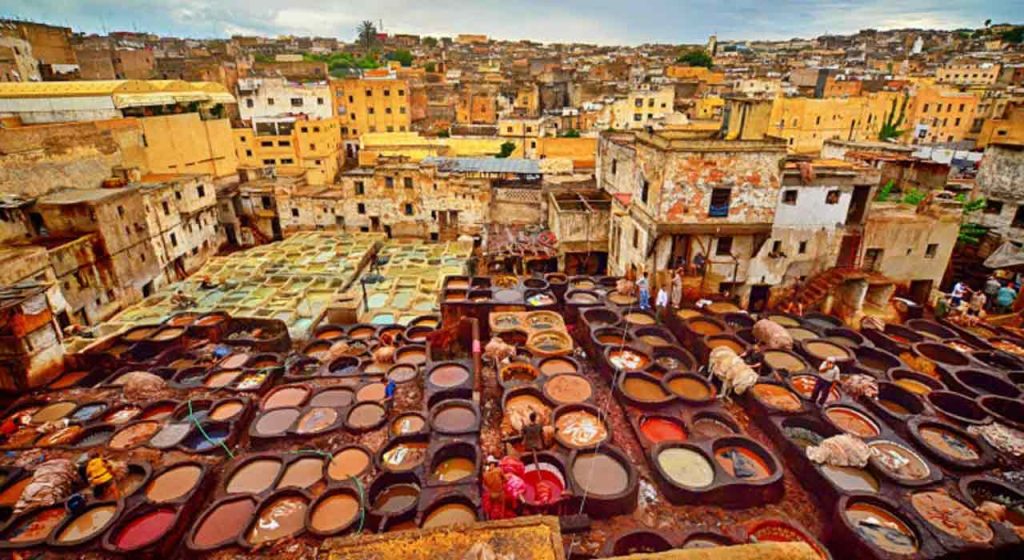
The undisputed highlight for most travelers is the Chouara Tanneries, where leather has been dyed by hand using the same techniques for nearly a thousand years. Beyond the tanneries, Fes is also home to countless workshops specializing in metalwork, pottery, and traditional Fes blue ceramics.
Tour from Fes :
2-Day Sahara Desert Tour From Fes
2 Days Marrakech Tour From Fes
3 Days Morocco Desert Tour From Fes
3-day Desert Marrakech Tour From Fes
4-day Morocco Desert Tour From Fes
4-day Desert Tour From Fes To Marrakech
Chefchaouen: The Blue City in the Rif Mountains
Tucked into the Rif Mountains, Chefchaouen is unlike anywhere else in Morocco. Nearly every building, staircase, and doorway throughout the old town is painted in varying shades of blue. Most Morocco group tours include a stop here specifically because of this striking, one-of-a-kind visual atmosphere.
Beyond the famous blue alleyways, Chefchaouen offers excellent hiking and a noticeably slower rhythm of life compared to Marrakech or Fes — making it a welcome mid-trip breather on longer itineraries.
The Sahara Desert: Camel Treks and Nights Under the Stars
For most travelers, the Sahara portion is the reason they booked one of the many Morocco group tours available in the first place. The journey to the Erg Chebbi dunes near Merzouga typically involves a scenic multi-day drive through the Atlas Mountains and the dramatic Dades and Todra Gorges.
Upon arrival, the experience culminates in a camel ride at sunset — a slow, rhythmic journey across the dunes. Travelers then arrive at a desert camp for a communal dinner, often accompanied by traditional Berber drumming, before waking early to watch the sunrise.
Volubilis, the Atlas Mountains, Rabat, and Ouarzazate
Beyond the headline stops, most comprehensive Morocco group tours also include Volubilis, a remarkably preserved Roman archaeological site, and the Atlas Mountains, where winding passes reveal traditional Berber villages. Meanwhile, Rabat offers a calmer royal capital experience, while Ouarzazate serves as the gateway to the kasbahs of the Draa Valley.
Together, these destinations round out a well-paced itinerary, offering contrast between bustling medinas, quiet countryside, and dramatic desert landscapes — which is exactly why longer Morocco group tours of 10 days or more tend to include all of them.
Morocco Desert Tours: Choosing Your Gateway City
One of the most common questions travelers ask when planning a trip is which city to begin from, since Morocco group tours typically depart from several major entry points depending on flight availability.
Desert Tours from Marrakech
By far the most popular starting point, Marrakech desert tours benefit from the city’s excellent flight connections and direct route toward Merzouga via the High Atlas Mountains. These Morocco group tours typically take two to three days round-trip.
Tour from Marrakech:
Desert Tours from Fes
Fes desert tours offer a different route, typically heading south through Ifrane and the Middle Atlas cedar forests before reaching Merzouga. This is precisely why the marrakech to fes desert tour 4 days, and its reverse, the fes to marrakech desert tour 3 days, remain two of the most booked Morocco group tours in the country.
Desert Tours from Casablanca and Tangier
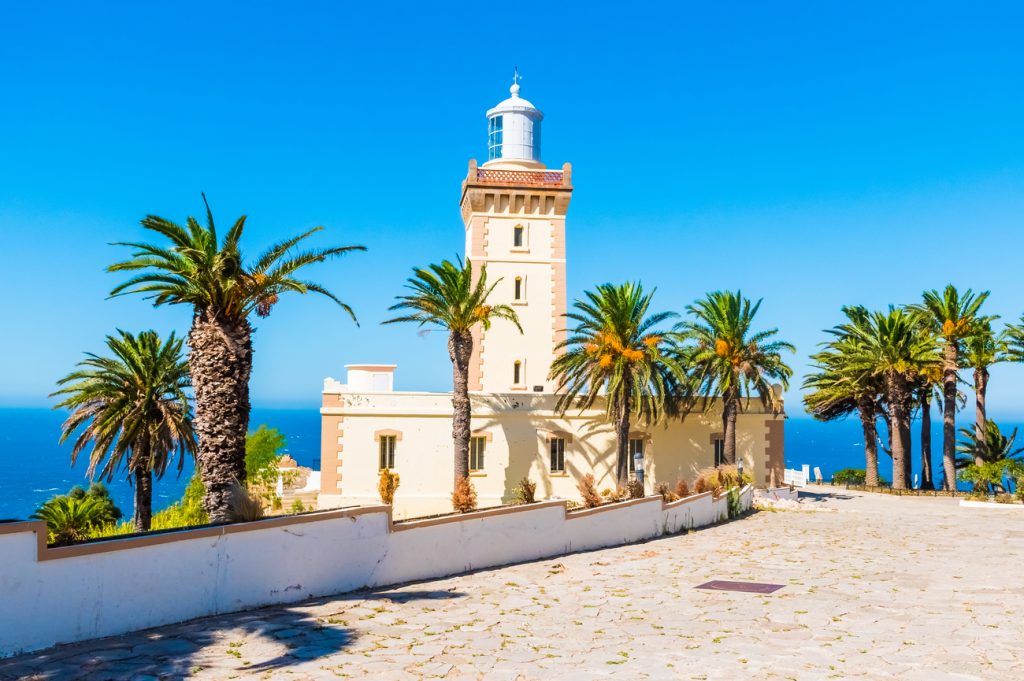
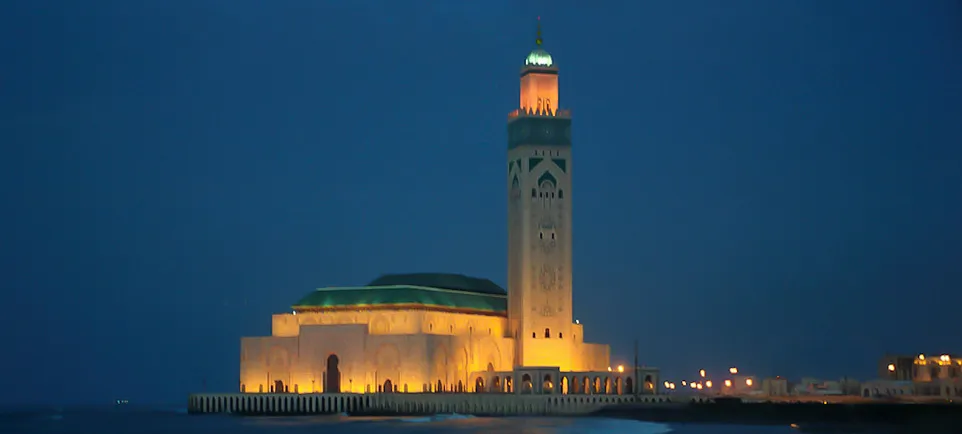
Because Casablanca hosts Morocco’s largest international airport, many travelers search for Casablanca desert tours as a starting point, though most well-organized Morocco group tours from here begin with a transfer to Marrakech or Fes first. Similarly, Tangier desert tours route south through Chefchaouen and Fes, turning the trip into a comprehensive north-to-south crossing.
Tour from Tangier :
5 Days in Northern Morocco From Tangier
5 Days Morocco Desert Tours from Tangier
6 Days Morocco Tour from Tangier
7 Days Morocco Sahara Tour From Tangier
10 Days Morocco Holiday from Tangier
13 Day Morocco Tour from Tangier
Tour from Casablanca :
6 Days Desert Tours From Casablanca
7 Days Morocco Tour from Casablanca
8 Days Tour From Casablanca
9 Days Desert Tours From Casablanca
10 Days Morocco Tour from Casablanca
11 Days Desert Tours From Casablanca
12 Day Morocco Tour From Casablanca
13 Days Around Morocco Tour from Casablanca
14 Days Grand Morocco Tour Itinerary From Casablanca
Popular Morocco Trip Itineraries: How Many Days Do You Need?
Choosing the right itinerary length ultimately comes down to how much time you have, and fortunately, Morocco group tours are available in well-tested lengths to fit almost any schedule — from 3-day desert loops to comprehensive 13-day journeys.
10-Day Morocco Itineraries
For travelers wanting a more comprehensive experience, a 10-day itinerary is widely considered the sweet spot among Morocco group tours — long enough to cover Marrakech, the Sahara, Fes, and Chefchaouen without feeling rushed, yet short enough to fit within a standard vacation allowance.
13-Day Morocco Tours
For travelers who want to see virtually everything, 13-day Morocco group tours add Rabat, Volubilis, and additional time in Ouarzazate to the standard 10-day route, allowing for slower mornings and less overall travel fatigue between stops.
A Day in the Life: What to Actually Expect on a Morocco Group Tour
Morning: Breakfast, Briefings, and Rooftop Views
Mornings on Morocco group tours typically begin around 7:30 AM with breakfast at your riad, often served on a rooftop terrace overlooking the medina. This is also when the group naturally starts to bond, swapping stories while the guide outlines the plan ahead.
Midday: Guided Exploration at a Human Pace
By mid-morning, the group is usually out exploring that day’s main destination. Because most Morocco group tours are capped at 12 people, movement through crowded souks or narrow medina alleyways is far easier than with a 40-person tour group.
Afternoon and Evening: Local Meals and Golden Hour
Around 1:00 PM, the group typically stops for lunch at a restaurant recommended by the guide — usually a place where Moroccans themselves eat. Late afternoon and evening are consistently when the most memorable moments of Morocco group tours take place, whether that’s a camel ride across the Sahara at sunset or a shared dinner accompanied by Berber drumming around a fire.
Practical Information: Planning Your Morocco Group Tour
Best Time of Year to Visit Morocco
Morocco is a year-round destination, but the shoulder seasons of spring and fall are generally considered the most comfortable times for Morocco group tours, offering mild temperatures in the medinas and manageable heat in the Sahara.
What’s Typically Included
A well-structured Morocco group tour typically includes accommodation in hand-selected riads and desert camps, transportation, a professional guide, and breakfast daily. What’s typically excluded is lunch and dinner on most days, personal spending money, and international flights.
How to Choose the Right Operator
Not all Morocco group tours are created equal. First, look closely at group size caps — a genuine small-group experience should cap at 8-12 travelers. Second, pay attention to who is actually guiding the trip, since tours led by Moroccan-born, English-fluent guides consistently receive stronger reviews.
Frequently Asked Questions About Morocco Group Tours
Is a Morocco group tour safe for solo female travelers?
Yes — Morocco group tours are considered one of the safest and most comfortable ways for solo female travelers to explore Morocco, since traveling alongside a group guided by an experienced local removes much of the uncertainty around navigation.
How much do Morocco group tours typically cost?
Prices vary based on trip length, but most Morocco group tours start around $997 per person for a multi-day itinerary covering Marrakech, the Sahara, and the Atlas Mountains.
Which city is best for starting a Morocco group tour?
Marrakech is generally the most convenient starting point for Morocco group tours due to its proximity to the Sahara, though Fes, Casablanca, and Tangier all offer viable alternative routes.
How many days do I need for a complete Morocco itinerary?
A 10-day itinerary is widely considered ideal for most Morocco group tours, while a 13-day version allows for a deeper exploration of additional destinations.
Final Thoughts
Morocco is a country that reveals itself slowly — through conversations with locals, unhurried meals, and quiet moments watching the sun set over ancient dunes. Ultimately, Morocco group tours are built specifically to create space for these moments, striking a balance between affordability and authenticity.
Whether you’re comparing operators, researching desert routes, or deciding between a 10-day and 13-day itinerary, well-run Morocco group tours consistently offer the strongest combination of value and human connection — remaining one of the smartest ways to see everything Morocco has to offer.