Introduction: The Timeless Charm of Fes
When travelers think of Morocco, vibrant images of Marrakech’s souks and the golden dunes of the Sahara often come to mind. But hidden in the country’s northern interior lies a city that embodies Morocco’s history, spirituality, and intellectual heritage: Fes. Known as the spiritual and cultural capital of Morocco, Fes is more than just a destination—it is a living storybook where every alley, courtyard, and fountain whispers tales of the past.
Founded in the 9th century, Fes has witnessed dynasties rise and fall, hosted scholars from around the Islamic world, and preserved traditions that are still alive today. Unlike many cities that have been reshaped by modernity, Fes remains proudly rooted in its heritage. For travelers, this means stepping into a city that feels both timeless and alive.
Exploring the Medina: A Journey Through Centuries
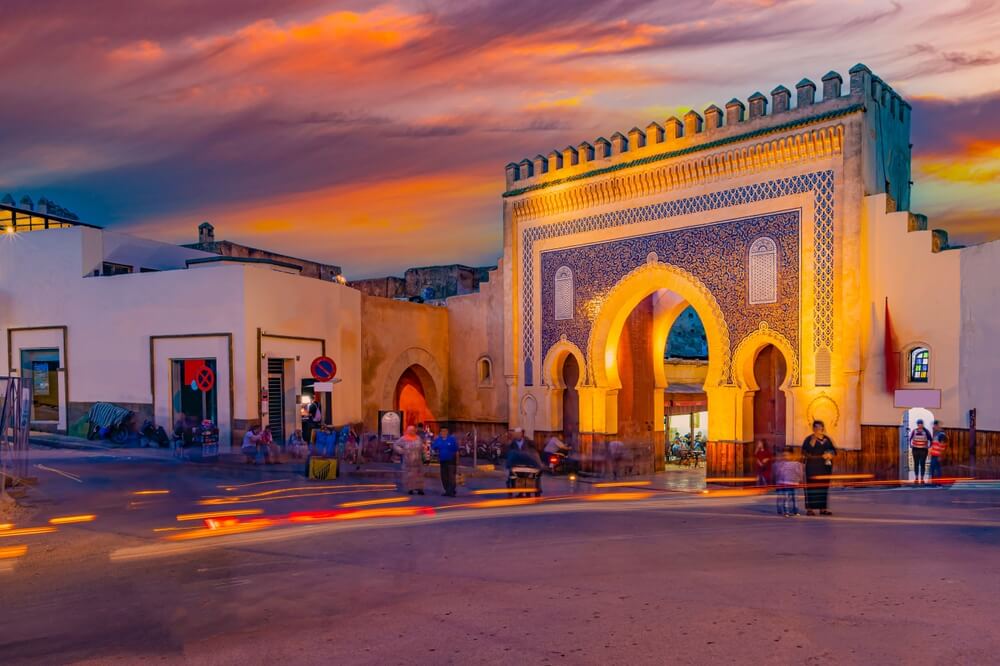
The heart of Fes is undoubtedly the Fes el Bali medina, a UNESCO World Heritage Site and one of the largest urban car-free zones in the world. With over 9,000 narrow streets and alleys, it is a maze of wonders. Here, the rhythm of daily life hasn’t changed for centuries.
- Artisans at Work: From weavers producing silk and wool fabrics to potters shaping intricate ceramics, the medina is alive with craftsmanship. Each quarter is traditionally dedicated to a particular trade, making the experience both organized and chaotic at once.
- The Souks: Unlike modern shopping centers, the souks of Fes are sensory experiences—colorful spices piled high, the scent of cedarwood, and the echo of craftsmen hammering copper. Bargaining is part of the tradition, so visitors are encouraged to negotiate while shopping.
- Chouara Tannery: Perhaps the most iconic sight in Fes, the tannery’s open-air dyeing pits are a kaleidoscope of colors. The process has remained unchanged for nearly a millennium, offering a glimpse into a craft that defines Fes’s identity.
👉 To continue your Moroccan adventure after Fes, explore our Marrakech Desert Tours, where the journey takes you from ancient medinas to the majestic Erg Chebbi dunes.

Fes: A Center of Knowledge and Faith
Beyond its bustling markets, Fes is a city of learning and spirituality. At its core lies the University of Al Quaraouiyine, established in 859 by Fatima al-Fihri. Recognized by UNESCO and Guinness World Records as the world’s oldest existing university, it continues to function as a center of Islamic scholarship.
Equally impressive are the madrasas (Islamic schools), such as Bou Inania Madrasa and Al-Attarine Madrasa, which showcase some of the most exquisite Moroccan architecture. With their carved cedarwood, colorful zellij tiles, and tranquil courtyards, they are masterpieces that transport visitors to another era.
The spiritual heartbeat of Fes also resonates in its mosques, such as the Kairaouine Mosque, which can accommodate thousands of worshippers. Even if non-Muslims cannot enter, the beauty of its surroundings and history can be felt from the outside.
Cultural Encounters and Daily Life
Fes is not only about monuments—it’s about people. Locals are known for their warmth, hospitality, and deep pride in their heritage. Joining a guided walking tour often leads to encounters with storytellers, musicians, and artisans who embody the living traditions of the city.
Food is another essential part of the cultural experience. Fassi cuisine is often described as the finest in Morocco. Dishes such as b’stilla (a pastry filled with pigeon or chicken, almonds, and cinnamon) reflect the city’s unique blend of sweet and savory flavors. Other delights include seffa medfouna (steamed vermicelli with meat and raisins) and the rich tagines flavored with saffron and preserved lemons.
Beyond the Old City Walls
While the medina is the soul of Fes, venturing beyond its walls offers new perspectives:
- Fes el Jdid: Built in the 13th century, this district is home to the Royal Palace with its magnificent golden gates, as well as the Mellah, the historic Jewish quarter.
- Ville Nouvelle: Created by the French during the protectorate period, this area has wide boulevards, modern cafés, and shops—perfect for those who want a contrast to the medina’s maze.
- Day Trips: From Fes, you can easily reach Meknes, another imperial city, and the ancient Roman ruins of Volubilis, making the city an excellent base for exploring northern Morocco.

Tips for Travelers Visiting Fes
- Best Time to Visit: Spring (March–May) and Autumn (September–November) when the weather is mild and pleasant.
- Recommended Duration: 2–4 days to explore both the medina and surrounding regions.
- Getting Around: The medina is best explored on foot. For longer trips, taxis are affordable and widely available.
- Local Advice: Hiring a licensed guide is highly recommended for navigating the medina, as it is easy to get lost in its labyrinth.
Why Fes Deserves a Spot on Your Itinerary
Fes is not simply a city you visit—it’s a city you feel. The rhythm of life, the aroma of spices, the sound of the call to prayer echoing across the medina, and the timeless beauty of its architecture create an unforgettable atmosphere. For travelers who want more than just sightseeing, Fes offers immersion into the essence of Moroccan culture.
For more information on the city’s universal value, you can visit the official UNESCO page on Fes.
✨ In conclusion, Fes is a city that brings Morocco’s past and present together in a seamless blend. Whether you’re wandering its winding alleys, admiring its architectural gems, or tasting its world-renowned cuisine, the city will leave you enchanted. Fes is not just a destination—it’s a timeless journey through history, culture, and spirituality.